H3 Dials: 14 KB Sliders That Steer Motion and Mood in ComfyUI
Dials turns prompt pairs into 14 KB sliders for MiniMax H3 in ComfyUI: motion from near-still to 2.7x, eight evil styles, Pika H3 Flex support and word dials.

The released motion dial at -2, base and +2. From the project README.
What a dial is
H3's prompt path is a text encoder, a condition_proj projection and a two-block token_refiner before the DiT reads it. Make Dial encodes each prompt pair, averages the B minus A difference over all pairs, and projects out the wording shift every prompt template adds. What survives is one direction: how much of a quality, applied to whatever you prompt.
Apply Dial patches token_refiner.forward, so the module tree and weight paths stay untouched and LoRAs and other dials stack normally. A dial is roughly 14 KB; a typical video LoRA is 80 to 160 MB.
What ships
| Dial | Range | What it does |
|---|---|---|
h3_motion.safetensors | -2 to +2 | 24 pairs, 8 subjects x 3. At +2 the measured motion is 2.7x base; at -2 it drops to 0.05x, near-frozen |
h3_motion_lora.safetensors | same | Same direction as a normal LoRA file, which the stock Load LoRA node accepts. About 0.6x the effect per unit, so use about 1.6x the strength |
| Villainy pack, 8 dials | +1 to +2 | Sinister, creepy, cold, unhinged, seductive, corrupted, dread, impish. Each was debiased, so they are distinct directions |
Two of the evil dials come with warnings from the author. Sinister at +2 crushes speech: Whisper word error 0.84 against 0.00 at base on a two-line dialogue test. Unhinged leans aggressive even at +2.
How to run it
- Clone the repo into
ComfyUI/custom_nodes/. There are no extra dependencies. - Copy
dials/*.safetensorsintoComfyUI/models/loras/dials/. - Load one of the example workflows and set the strength on Apply Dial.
The other nodes are Make Dial for new directions, Combine Dials for wa·a + wb·b, Save Dial and Load Dial. You need MiniMax H3 running in ComfyUI, which the Comfy-Org repack provides.
The motion dial across three prompts, from the project README.
On Pika H3 Flex
Dials sit between the Pika H3 Flex LoRA and the sampler. On Pika the useful range is +0.5 to +1.0, about 20 to 23 percent more motion; at +1.5 and above the scene restages and characters morph. A de-rope workflow in the author's MAINodes pack holds the frames that move too fast and re-renders them, which brings a 6-step Pika clip from about 1.5 minutes to 5.5 or 6 minutes, roughly one plain 25-step H3 render. Timings are the author's, at 1280x704 and 141 frames on one RTX PRO 6000 Max-Q.
New this week
Three experimental pages went up on 2026-11-06, and the newer dial tools moved into ComfyUI-MAINodes (a Dial Rack, strength over the clip, de-rope, MOSS-Image support):
- Word Dials: a dial from four words instead of prompt pairs, built by asking the text encoder which direction makes it likelier to say those words. Underwater and thunder work on the first attempt; mixing several words into a place also works. The page keeps a placebo dial of bland words next to them for comparison.
- Dials Lab: odd contrasts, including an oil painting to pixel art continuum, a datamosh dial, and owl to octopus.
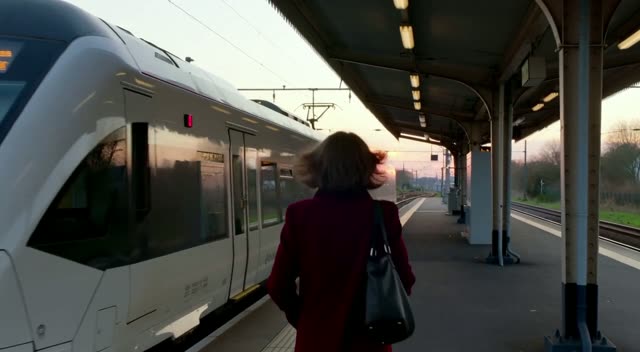
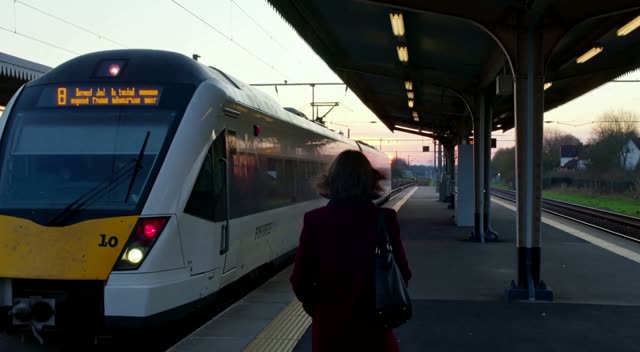
- Dials on a First Frame: an image-to-video first frame pins the look, and even sinister +4 leaves a warm sunset warm. Lowering
guide_strengthin MAINodes' H3 Cond Strength node loosens that hold.
 |  |
|---|---|
| First frame at the default pin, control | Sinister +4: the picture still holds the warm dusk |
The dial library with demo clips is on Hugging Face.
Limits
A dial cannot teach H3 something new. It moves how much of a quality you already get, so a new face, character or style still needs a LoRA: a LoRA for what, dials for how. The published strengths were checked on a handful of scenes, an office, a library and one two-line dialogue, so treat them as starting points.
Comments
Sign in with GitHub to join the discussion.