MOSS-Image MAX ULTRA LoHa Brings 4 MP Output to ComfyUI
Comfyanonymous published a LoHa that trains MOSS-Image-Base for 4 MP and larger canvases, shipping four checkpoint versions with 4096x2304 comparison samples.
MOSS-Image is the 5B text-and-layout model from OpenMOSS that the site covered at release, together with its few-step distillation and several community fine-tunes. Its stock example workflows run at 1024×1024. This adapter is about pushing the same model well past that canvas, which is a different problem from the low-step adapters the model has attracted so far.
What the adapter targets
The model card is one paragraph long and states the goal directly: a LoHa adapter for Comfy-Org/MOSS-Image "trained to improve generation at 4 MP and higher resolutions". The training mix is described as "a mix of probably too much anime and photographs," between 3.5 MP and 10 MP.
That is the whole published scope. The card documents no recommended strength, no step count, no sampler setting, and no benchmark numbers beyond the sample renders. The repository name still ends in _test, and nothing in it declares the adapter finished or promoted to a stable release.
Four versions, one file layout
| Version | File size | Comparison sample |
|---|---|---|
| v0.1 | 132,218,960 B | Yes |
| v0.2 | 182,195,248 B | Yes |
| v0.3 | 182,195,248 B | Yes |
| v0.4 | 182,195,248 B | Not yet |
The two sizes point at a layout change between v0.1 and v0.2 rather than a new training run, since v0.2 through v0.4 are byte-identical in size. There is no changelog on the repository: the commits are bare uploads, and the README still shows v0.3 as its newest illustrated version.
What the samples show
The card publishes the same comparison as a set: no adapter, v0.1, v0.2, v0.3. The AVIF files are 4096×2304, which is 9.4 MP, and the PNG fallbacks are 2736×1536, or 4.2 MP.
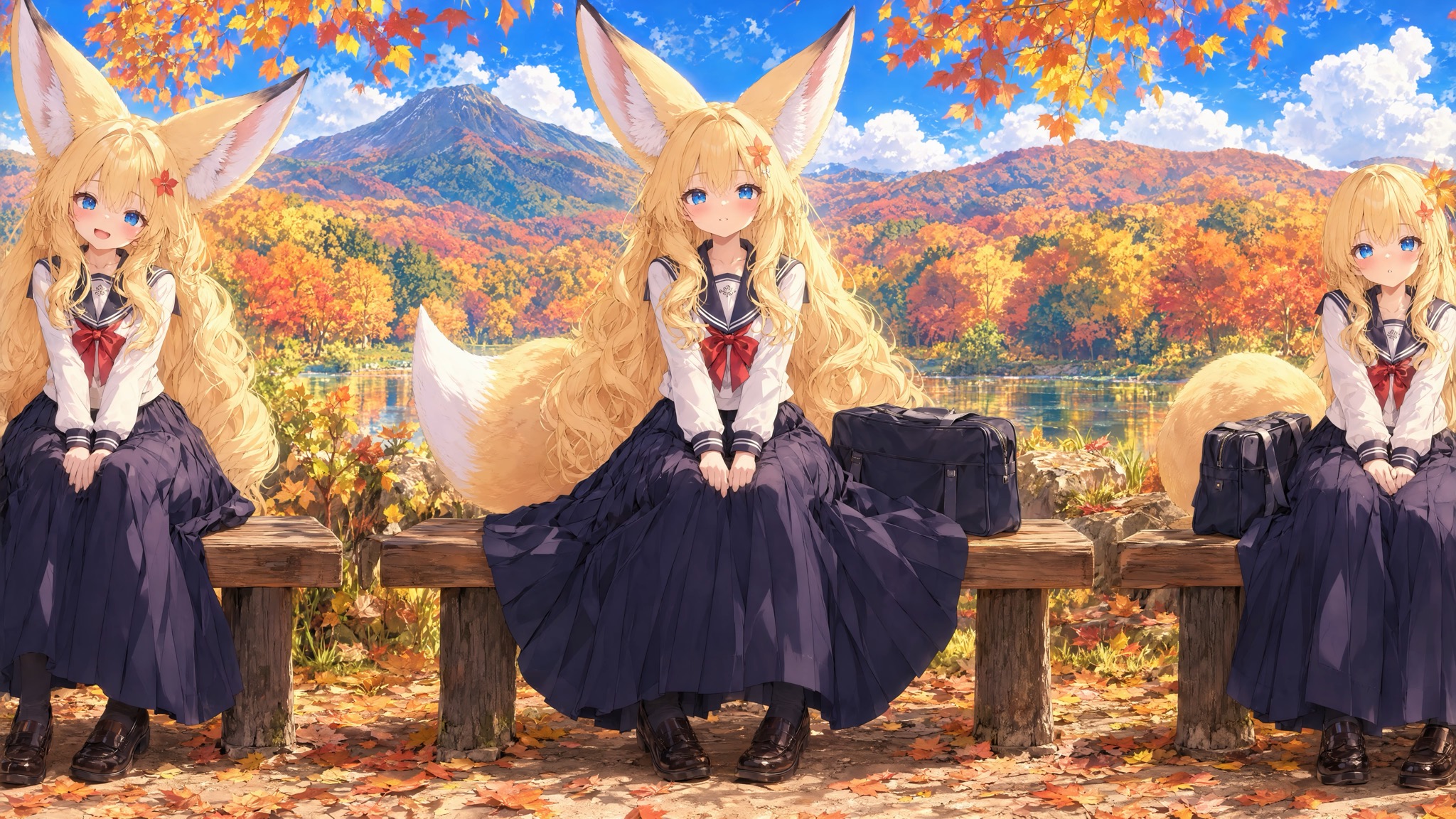 | 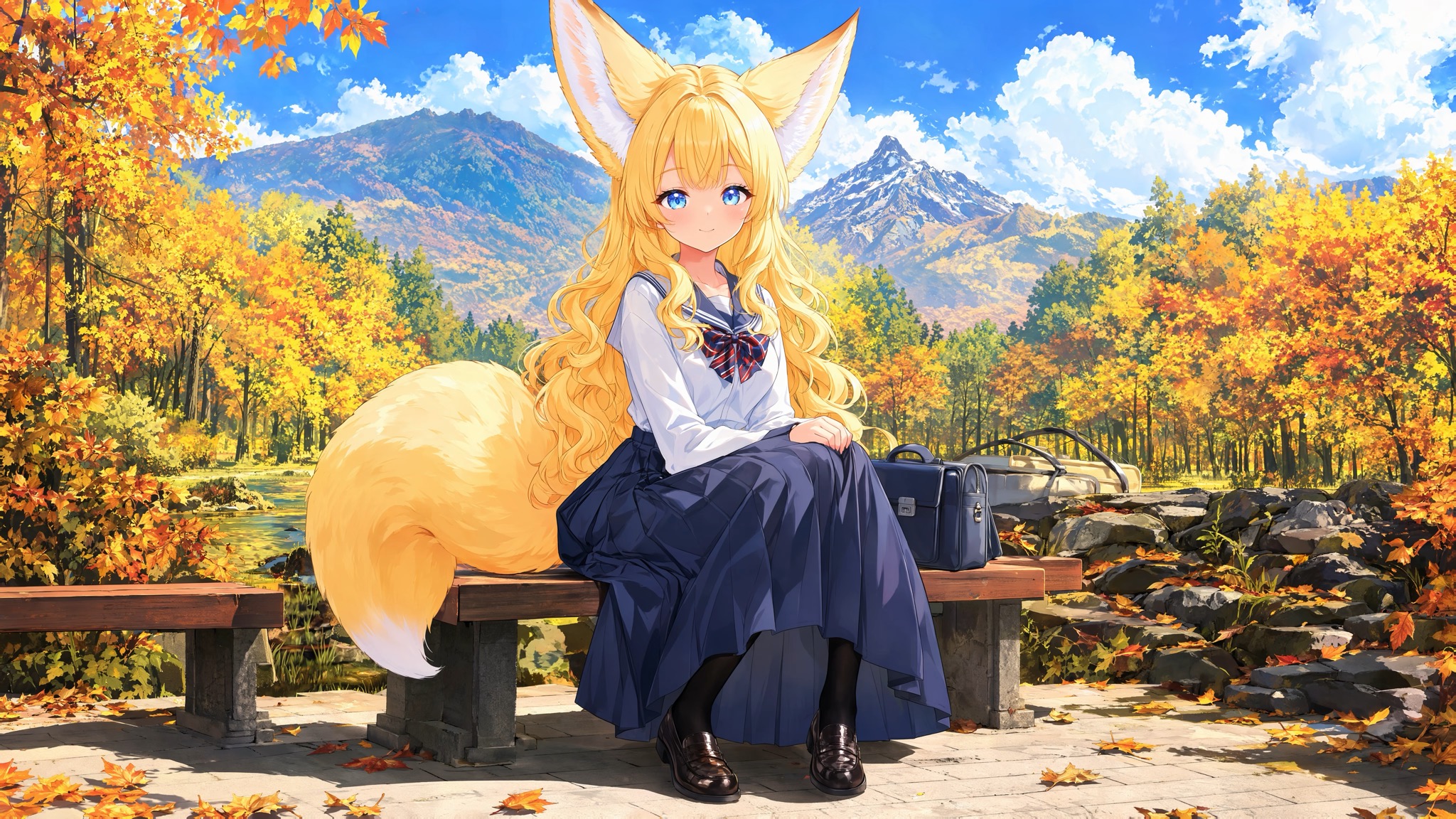 |
|---|---|
| 4096×2304 render without the adapter | LoHa v0.1 at 4096×2304 |
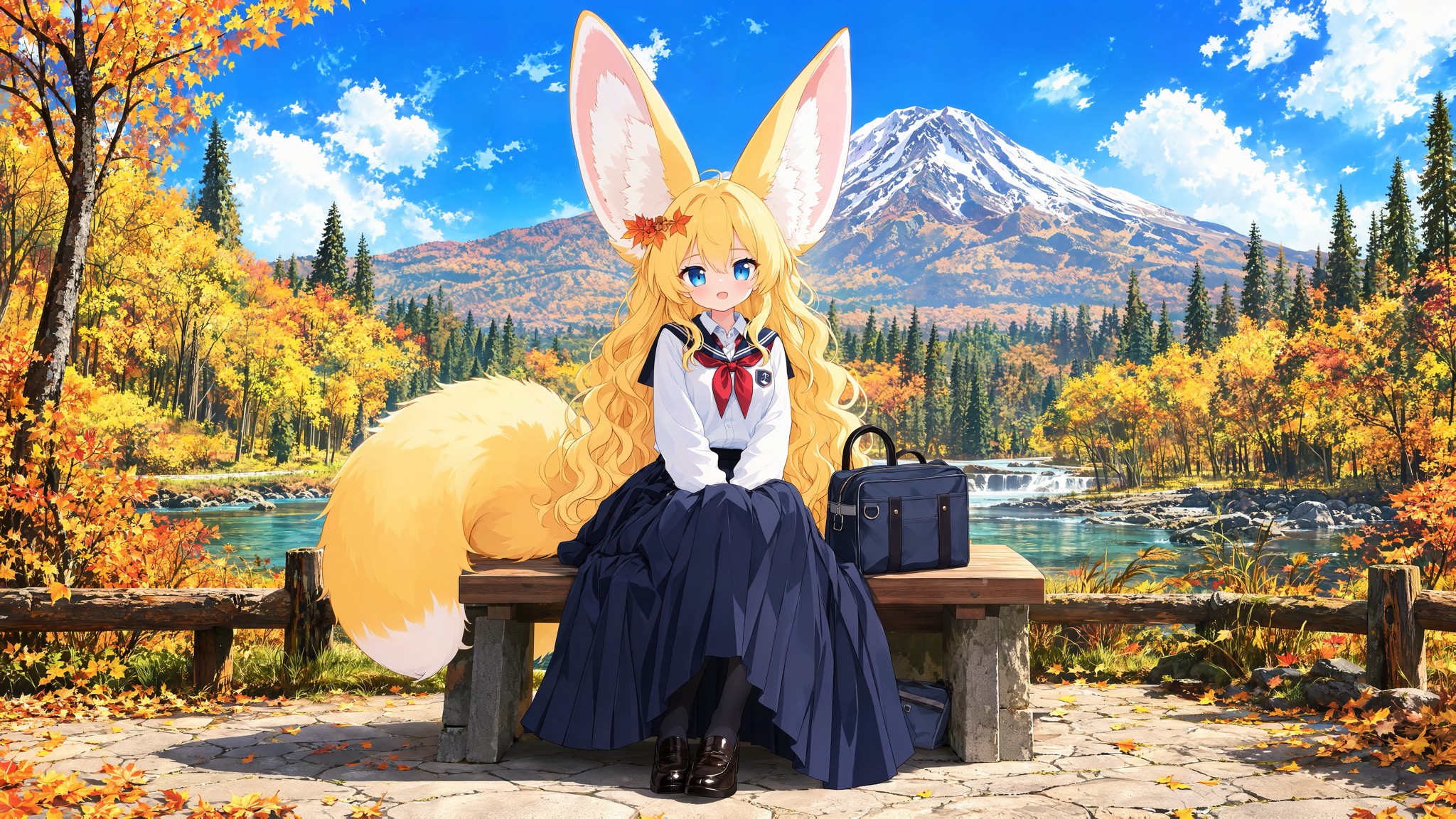 | 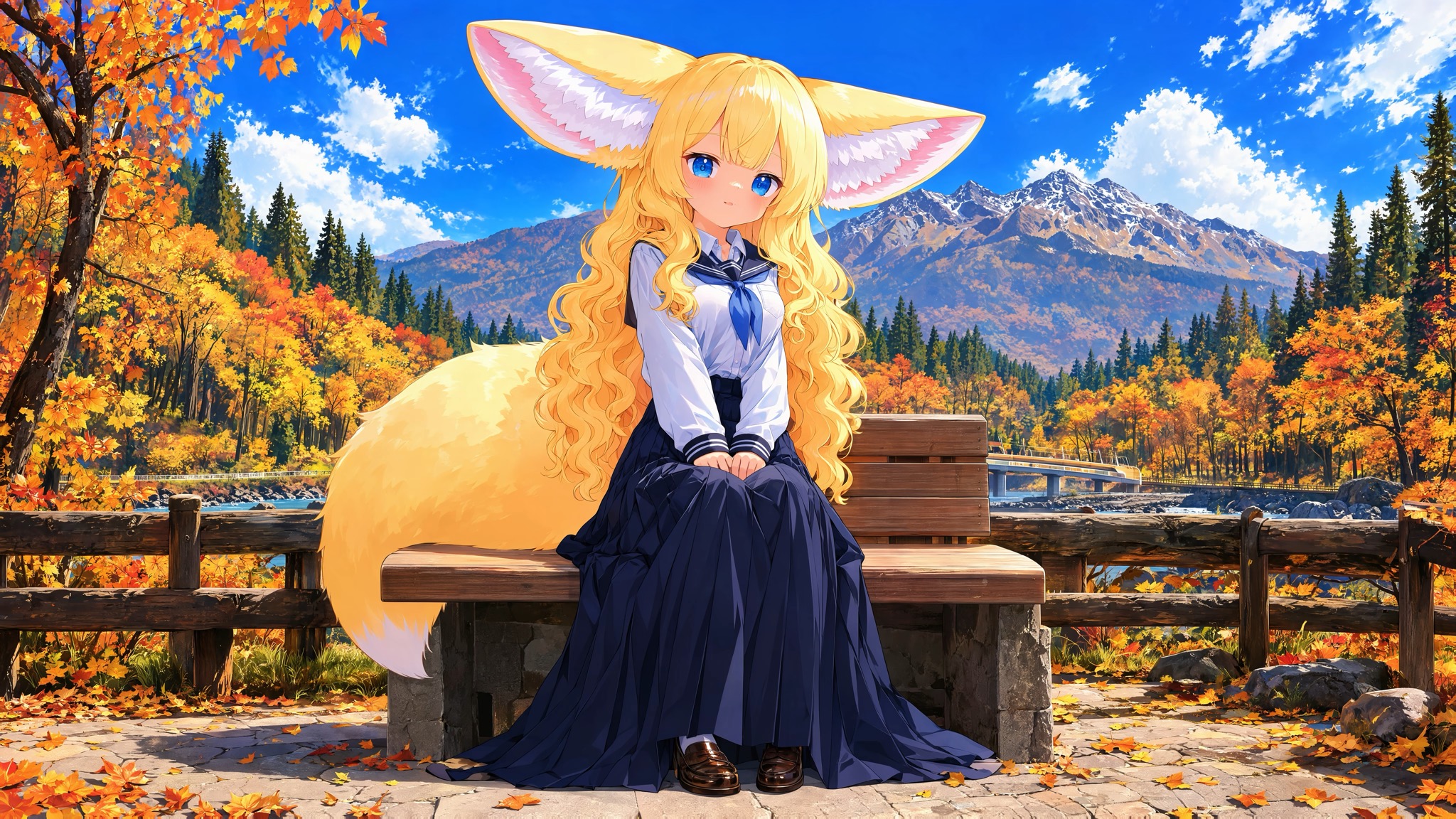 |
|---|---|
| LoHa v0.2 | LoHa v0.3 |
Sample set published with the adapter. Source: comfyanonymous/MOSS_image_MAX_ULTRA_hires_lora_test
What is inside the file
Despite the filename saying lora, the weights are LoHa, the Hadamard-product decomposition: reading the safetensors header gives 600 tensors made of hada_w1_a, hada_w1_b, hada_w2_a, hada_w2_b and an alpha per module, not the lora_down/lora_up pair of a plain LoRA.
Coverage is uneven across the 42-layer DiT. The 120 adapted modules break down as qkv on all 42 layers, ffn_up_gate on all 42, o on 21 and ffn_down on 15, with ranks of 16, 32 and 64 mixed across them. Keys carry the diffusion_model. prefix, so the file is already in ComfyUI naming.
Loading it in ComfyUI
There is no new node and no node pack. ComfyUI core ships a LoHa weight adapter (comfy/weight_adapter/loha.py), and the standard LoRA loader selects it automatically when it sees the hada_* keys. The graph is the ordinary MOSS-Image one:
Load Diffusion Modelwith a single-file weight from Comfy-Org/MOSS-Image, eithermoss_image_base_bf16.safetensorsor its int8 ConvRot variant, since the card names MOSS-Image-Base as the base.LoraLoaderModelOnlywith one of themoss_hires_lora_test_v0.*.safetensorsfiles.- Empty latent set to the target canvas. The published samples sit at 4096×2304, and every size in the repository is a multiple of 16.
The adapter ships no trigger word; the card describes no conditioning change at all.
Community reading
The Reddit thread that surfaced the adapter, posted by u/Crazy-Repeat-2006 under the title "MOSS Image - MAX ULTRA hires by ComfyUI Team", drew the usual split. One commenter granted the larger canvas but not the result ("The resolutions are bigger, but the ears are smaller. I'm not convinced"), and a separate subthread explained what LoHa is and argued that Hadamard-product adapters mostly trade memory rather than quality. No comment in the thread reports a controlled comparison, and the card itself does not claim one.
That is the honest state of the evidence: an adapter from a credible author, aimed at a real gap, with sample renders but no benchmark and no stable release.
Availability
- Adapter: comfyanonymous/MOSS_image_MAX_ULTRA_hires_lora_test, four versions, 132 MB to 182 MB.
- Base weights: Comfy-Org/MOSS-Image, which packs
moss_image_baseandmoss_image_sftin bf16 and int8 ConvRot, plus the Qwen3.5-9B text encoder and FLUX.2 VAE. - Upstream models: MOSS-Image-Base and MOSS-Image-SFT.
Comments
Sign in with GitHub to join the discussion.