FLUX 3 Image Klein: BFL's 5.6B Open Weights Model for ComfyUI
Black Forest Labs released FLUX 3 Image Klein: a 5.6B open weights image model for text-to-image, editing and multi-reference generation, with day-one ComfyUI support.
FLUX 3 Image Klein is the first open weights model in Black Forest Labs' FLUX 3 family (blog | model page | weights), released on October 15. It is a 5.6B parameter image generator that handles text-to-image, image editing and multi-reference generation with up to 10 reference images, and ComfyUI support merged the same day.

A fox asleep in a vintage suitcase, generated by FLUX 3 Image Klein. Sample by Black Forest Labs.
The release ships two checkpoints: a base model built for fine-tuning and a step-distilled model for low-latency generation. BFL published FP8, INT8 and NVFP4 builds made with NVIDIA support. The VAE is the existing FLUX.2 VAE, and the text encoder is Qwen3-VL-4B, so nothing on the model side departs from what ComfyUI already loads.
What FLUX 3 Image Klein can do
FLUX 3 Image Klein shares its core capabilities with the full FLUX 3 Image model:
- Native 4K generation and multiple aspect ratios.
- Pixel-perfect editing, where unedited regions are preserved instead of being re-rendered.
- Bounding boxes that control where an element is placed, or confine an edit to a defined area. Boxes are relative to the canvas, so the output keeps the same aspect ratio as the layout.
- Multi-reference generation with up to 10 reference images, referred to in the prompt as "image 1", "image 2" and so on.
- A prompt upsampler (separate weights) that rewrites a short prompt before generation.
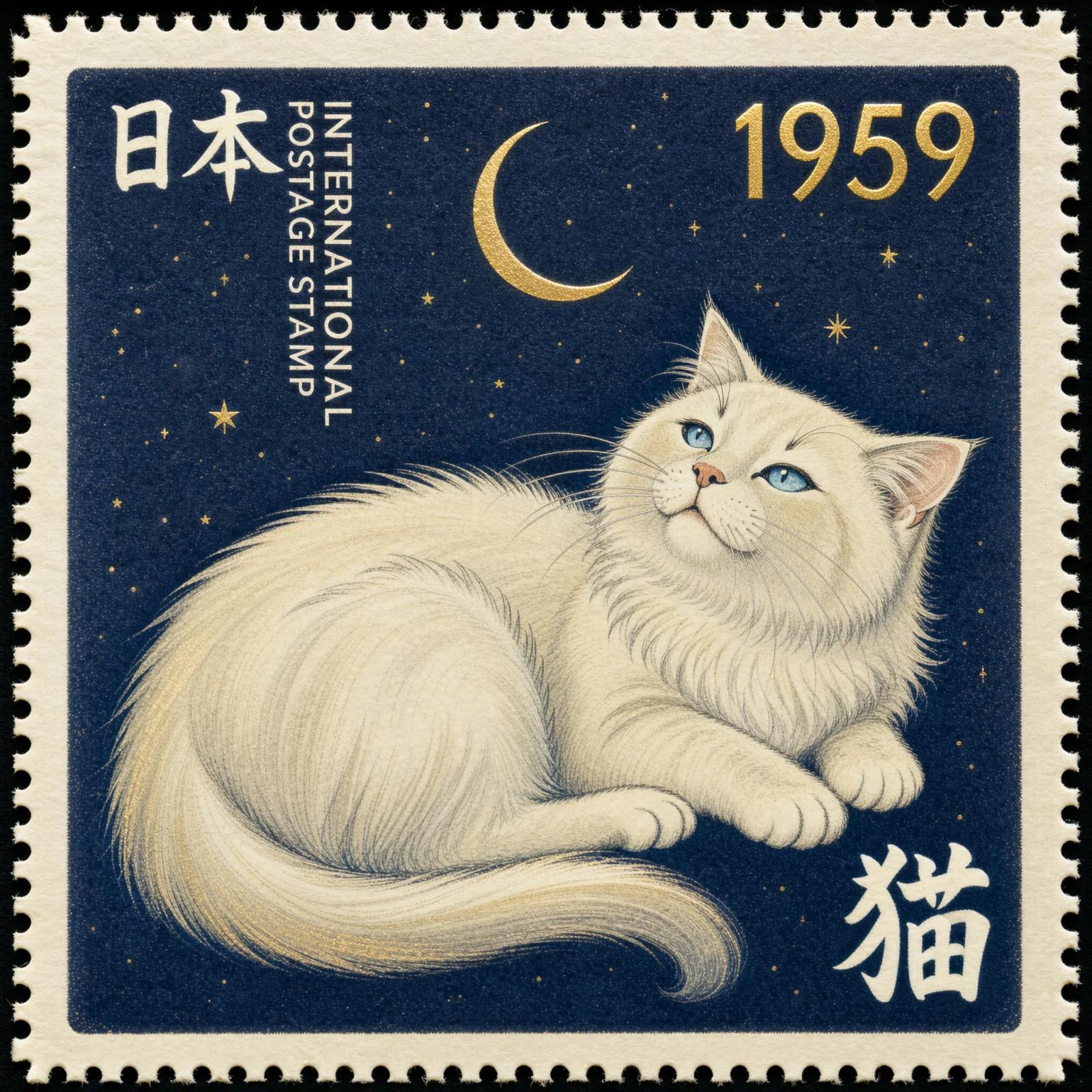
A stamp with mixed Latin and Japanese text, one of the model's text rendering samples. Sample by Black Forest Labs.
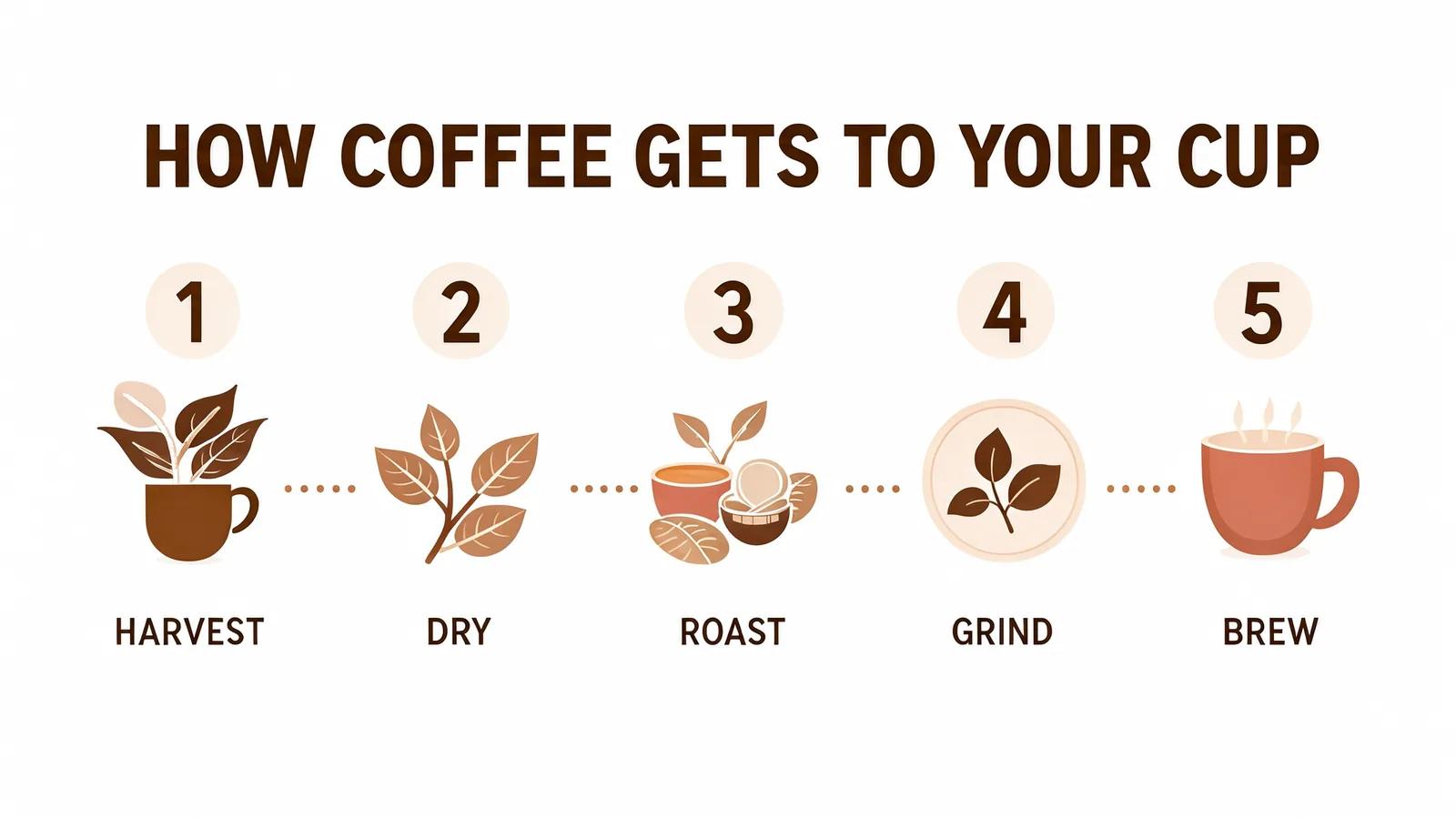
A five-step infographic generated from a text prompt, testing layout and small text. Sample by Black Forest Labs.
Day-one ComfyUI support
Comfy-Org/ComfyUI PR #17064 (CORE-388, by Kijai) was merged on October 15 and adds the FLUX 3 image DiT, its Qwen3-VL-4B text encoder setup and a layout prompt node to core. The support landed after the latest release tag, so an existing install needs an update to a current ComfyUI build.
Four official templates are already in comfyui-workflow-templates, two for the base checkpoint and two for the distilled one:
BFL also published its own ComfyUI pack, black-forest-labs/flux-3-image-klein-comfy, in the usual split-file layout. The templates reference the INT8 builds from it:
| Folder | Files |
|---|---|
diffusion_models | flux3_image_klein_int8_convrot (5.8 GB) · flux3_image_klein_nvfp4 (5.3 GB) · flux3_image_klein_bf16 (11.1 GB), plus the step-distilled _sd_ builds at the same three sizes |
text_encoders | qwen3vl_4b_int8_convrot (4.9 GB) · qwen3vl_4b_bf16 (8.9 GB) · qwen3.5_9b_flux3_prompt_upsampler_int8_convrot (9.7 GB) |
vae | flux2-vae.safetensors (336 MB) |
Speed and size
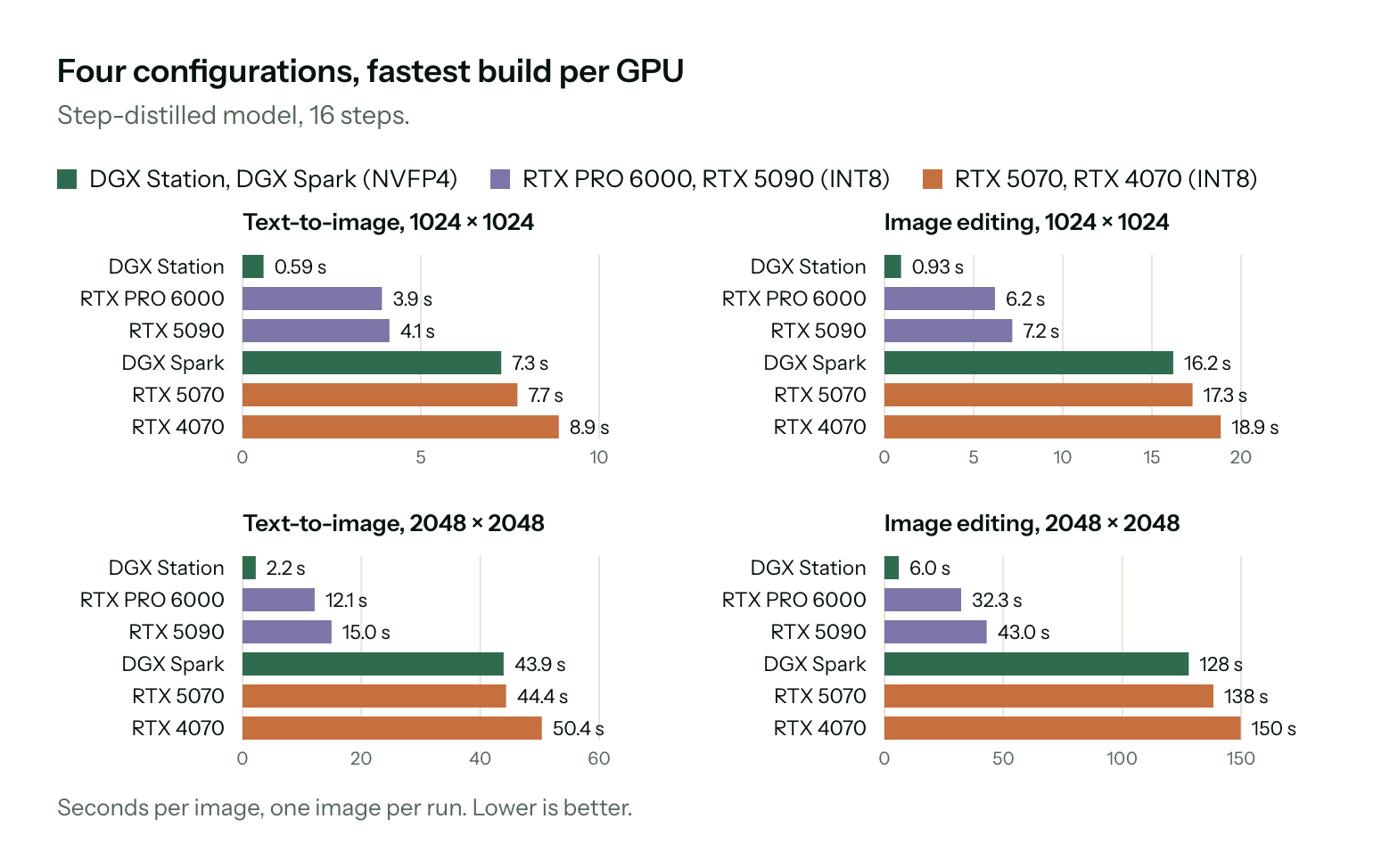
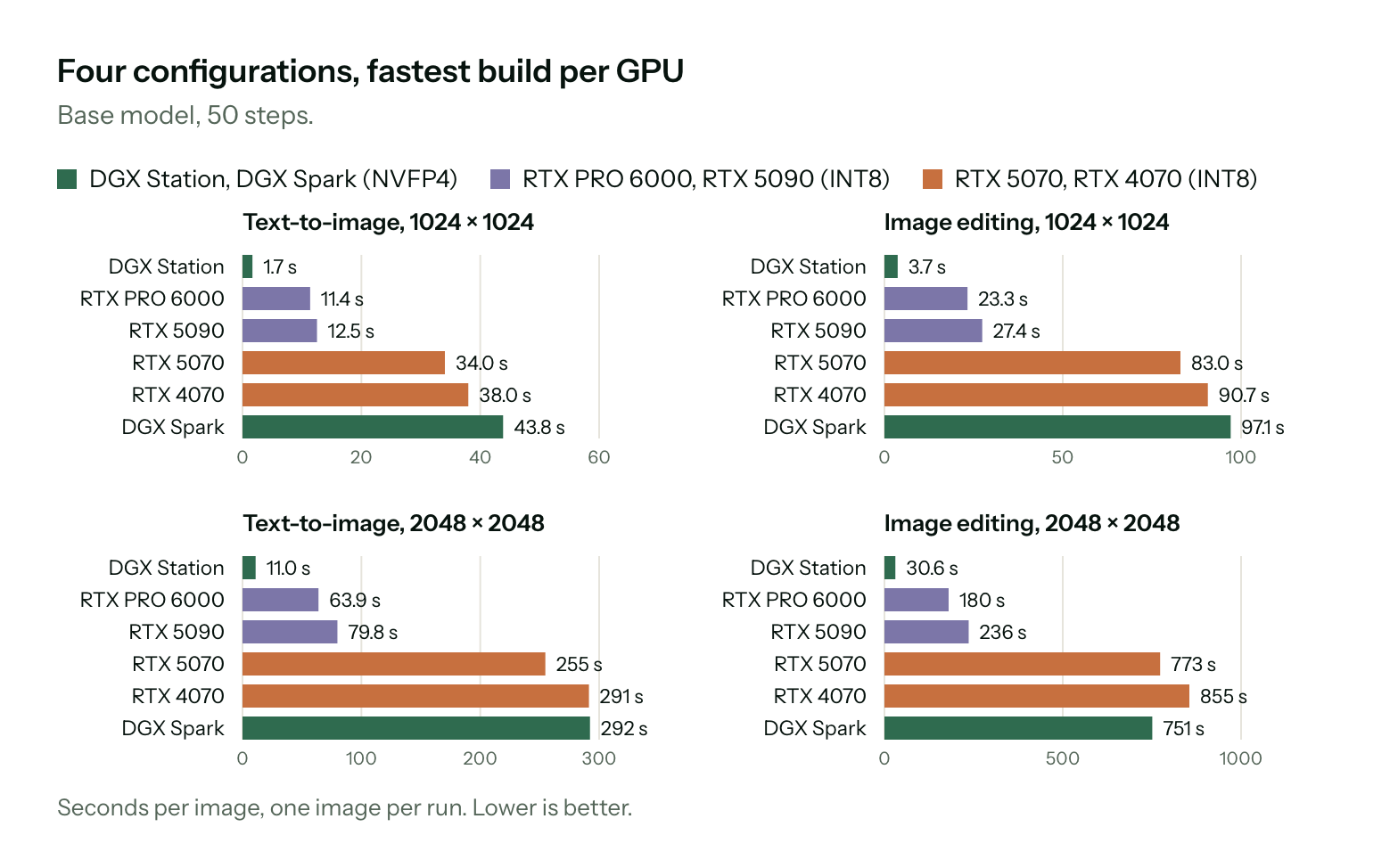
BFL positions FLUX 3 Image Klein as the smallest model on its own comparison chart, at 5.6B parameters against 7B for Qwen-Image 2.1 and 12.9B for Krea 2. The generator weights take 11.2 GB in BF16 and 5.6 GB in FP8, and the INT8 build runs on NVIDIA GeForce cards with as little as 8 GB of VRAM through ComfyUI. With the distilled checkpoint and the INT8 build, BFL reports about 4 seconds for a 1 MP image on an RTX 5090 and under 9 seconds on an RTX 4070, both measured in ComfyUI.
 |  |
|---|---|
| Step-distilled model, 16 steps | Base model, 50 steps |
| Generation time by GPU, measured by NVIDIA. Source: Black Forest Labs |
In BFL's internal evaluations, FLUX 3 Image Klein gains 91 Elo in text-to-image and 70 in image editing over FLUX.2 [klein] 9B while using 38% fewer parameters, and the company reports it ranking first in its own text-to-image, multi-reference and editing comparisons ahead of larger open weights models, as well as above Ideogram V4.5 and FLUX.2 [pro]. Those numbers are vendor benchmarks, so treat them as a starting point rather than a verdict.
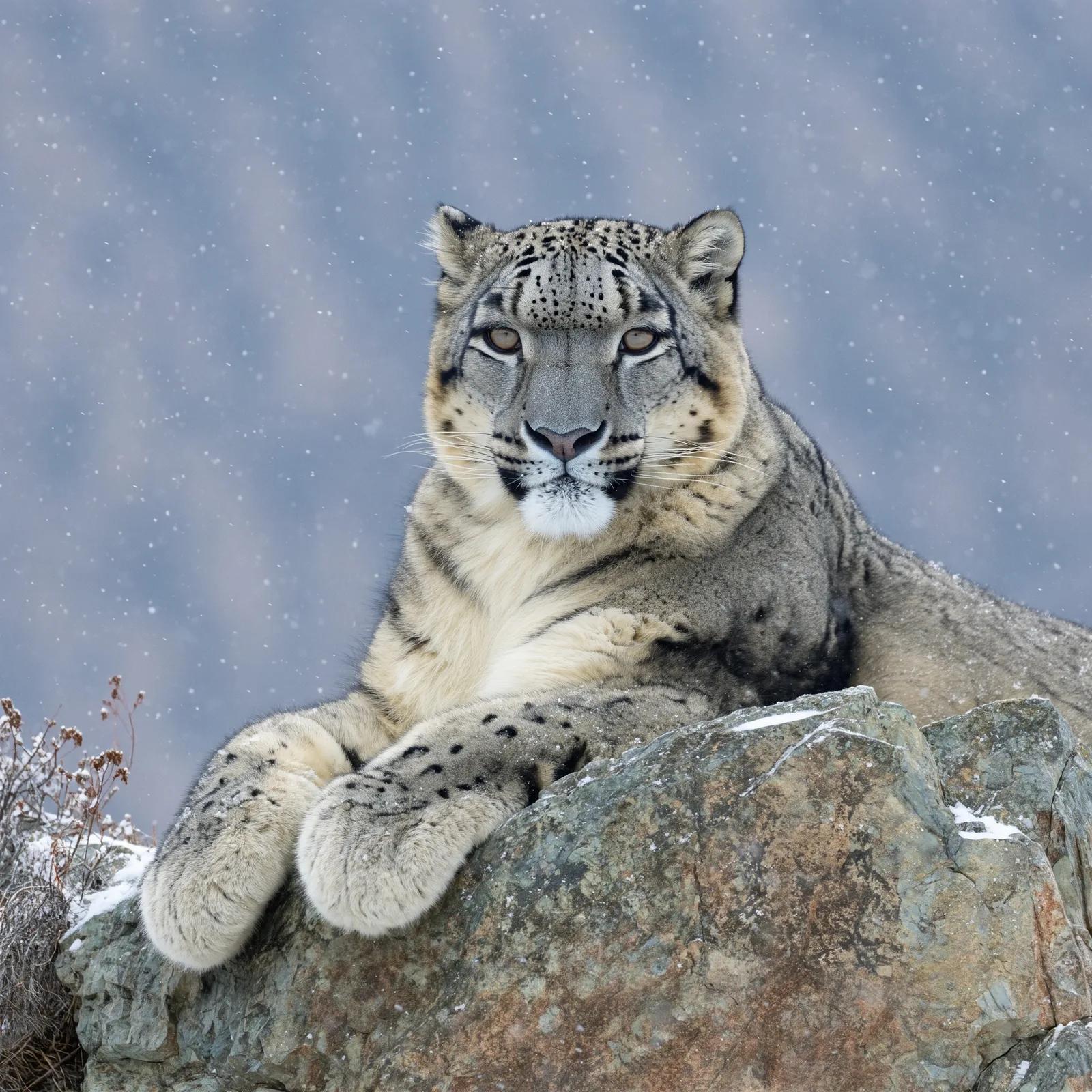
A snow leopard on a rocky ledge, generated from a text prompt. Sample by Black Forest Labs.
Editing and reference images
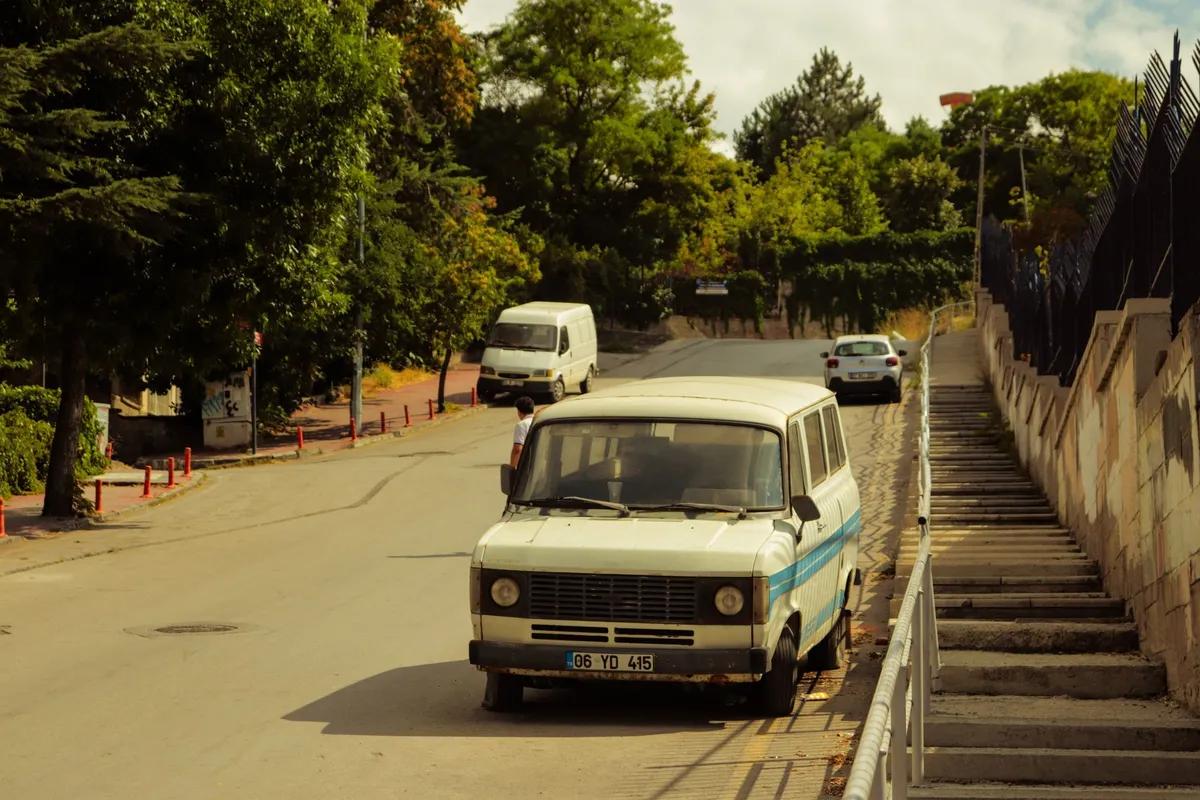
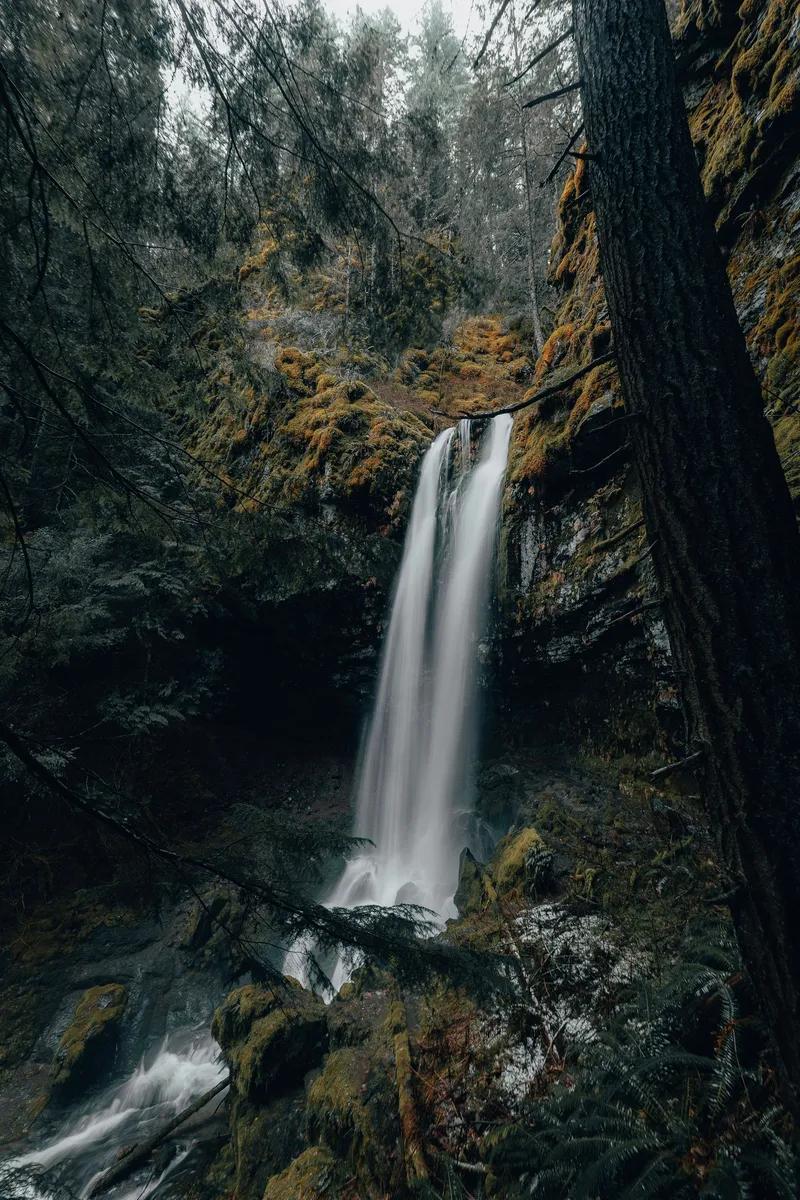
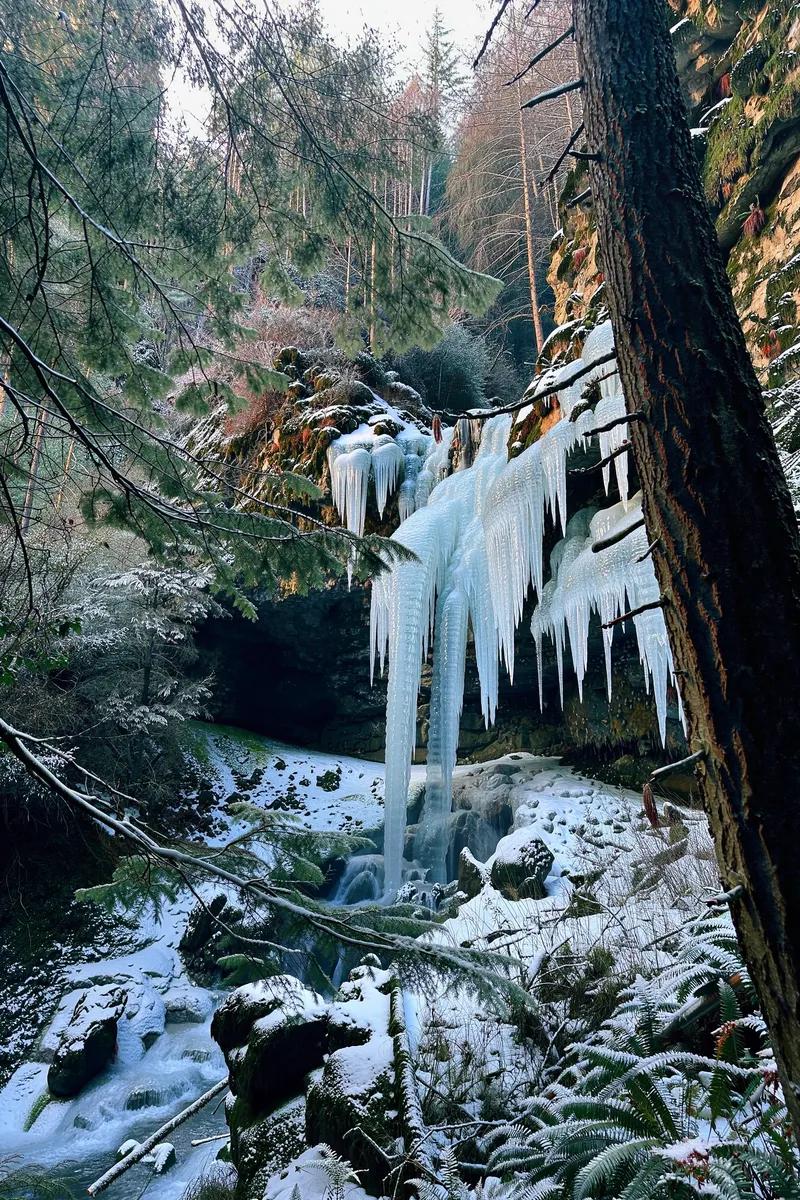
Inline edits are where the model is meant to earn its place: the same image can be changed while everything around the change stays put.
 |  |
|---|---|
| Original photo | "Turn this summer street into winter after light snowfall." |
 |  |
|---|---|
| Original photo | "Freeze the waterfall into blue-white ice and long icicles." |
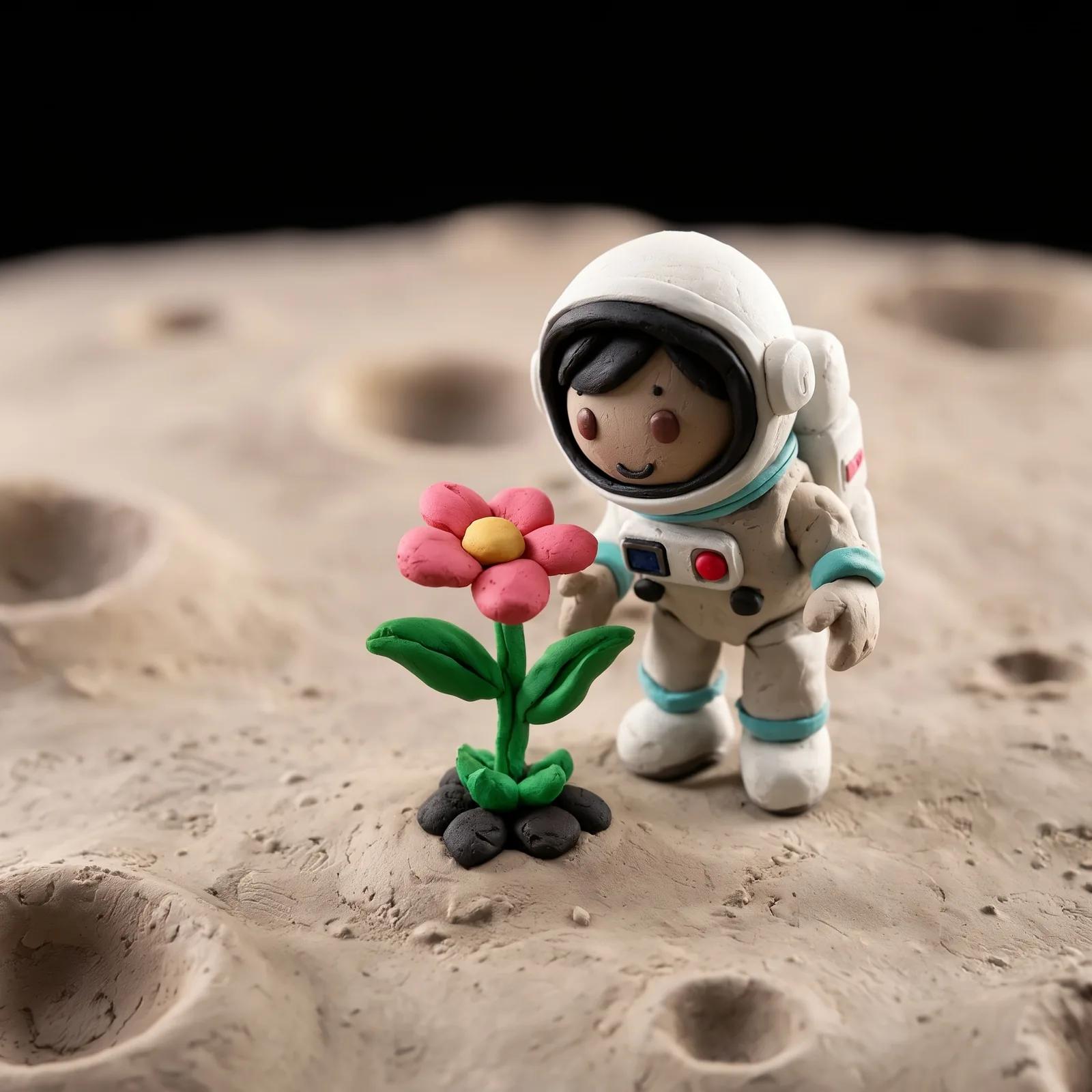
A claymation-style astronaut, generated from text. Sample by Black Forest Labs.
Availability
- Weights: distilled and base on Hugging Face, plus the ComfyUI pack and the prompt upsampler. The Hugging Face repositories are gated, so accept the terms on the model page before downloading.
- ComfyUI: core support merged in PR #17064; use the four templates above or BFL's own
workflows/folder in the ComfyUI pack. - Day-one outside ComfyUI: Hugging Face Diffusers, TensorRT-LLM, SGLang Diffusion and vLLM-Omni, with LoRA training through Ostris's AI Toolkit and recipes in NVIDIA NeMo AutoModel.
- API: the distilled model is served as
flux-3-image-kleinwith prompt upsampling and pixel restoration, which keeps unedited regions of an image exactly as they were.
Comments
Sign in with GitHub to join the discussion.