Krea 3 Technical Report: 8-Reference Edits Under 8 Seconds
Krea 3 edits images from up to eight references at native 2K, finishes under 8 seconds and costs $0.06. It runs in ComfyUI through the Krea 3 Image node.
The report is the first public write-up of the model. It covers the architecture, the image-to-image training pipeline, reinforcement learning on edit rewards and inference optimization, and it puts measured numbers behind the speed and price claims made at launch.

A Krea 3 output from Krea's model page.
The numbers
| Time per edit | Under 8 s in Krea's production traffic; the report puts Nano Banana Pro at 20 to 40 s for a comparable edit |
| Price | $0.06 per image on Krea's pricing page |
| Leaderboards | #4 on Arena's Multi-Image Edit board with a score of 1,435 (Krea 3 Ultra), #4 on Artificial Analysis Image Editing and Design Arena |
| References | Up to 8 in one generation, with per-image resolution chosen independently |
| Output | Native 2K, with a 1K option |
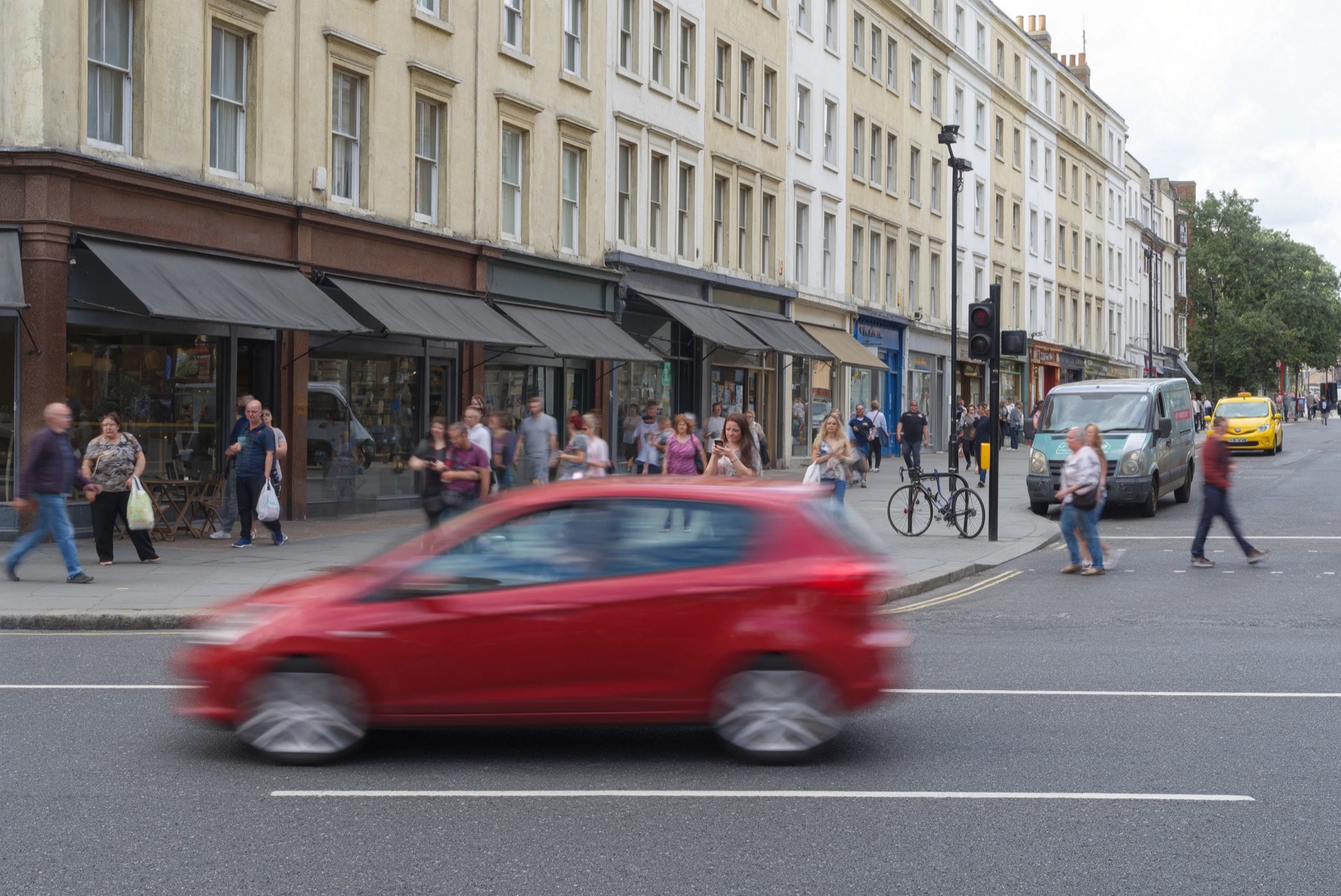 | 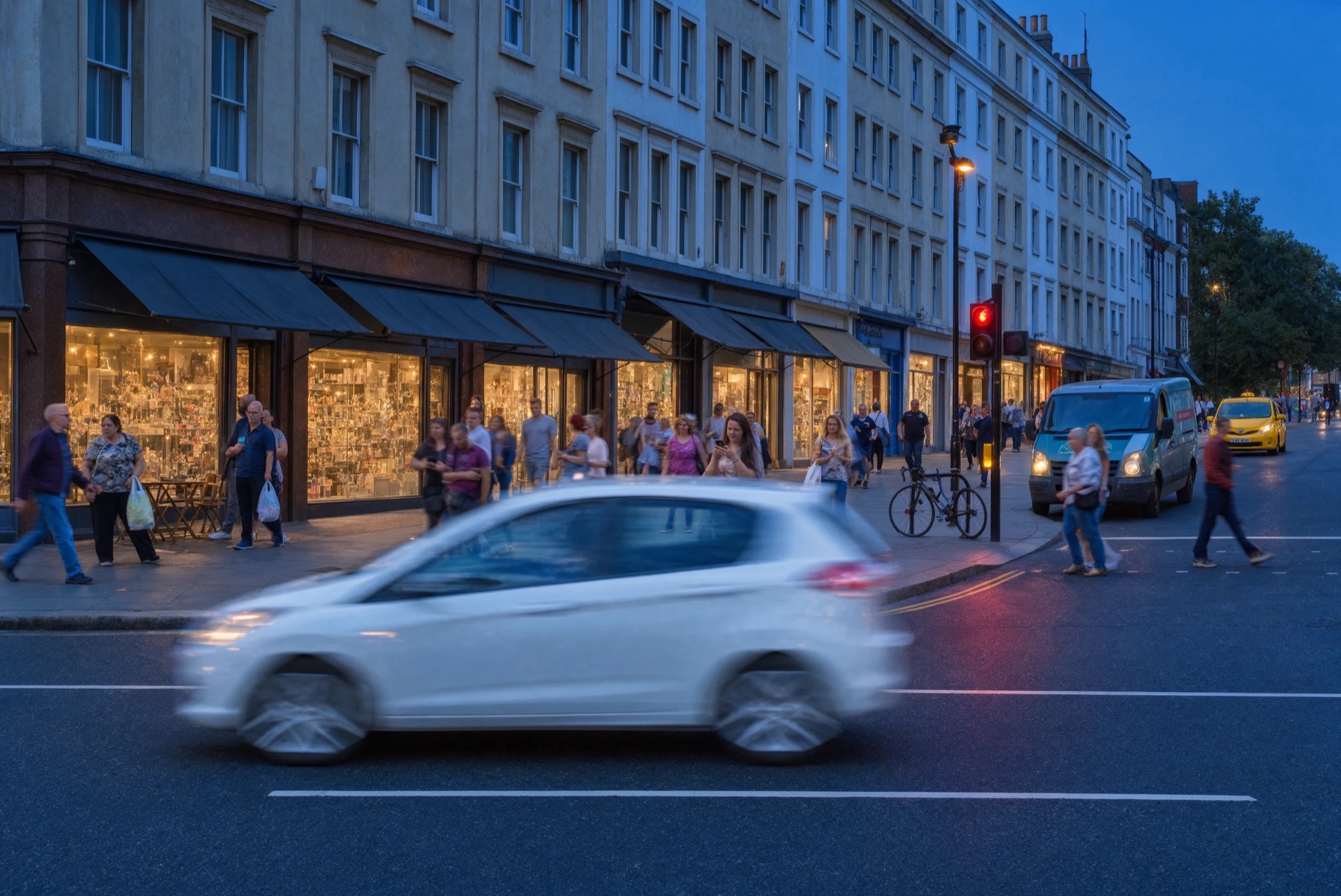 |
|---|---|
| Input | One instruction: same street at blue hour, repainted car |
How it is built
Krea 3 starts from the Krea 2 pretrain and extends it to image-to-image. Reference images are VAE-encoded and appended to the DiT's latent sequence as clean tokens at timestep 0, which keeps them in-distribution and lets their key-value pairs be cached at inference. A vision-language text encoder sees the references at 384² alongside the instruction, and only the instruction tokens reach the DiT.
Training adds decoupled reference and target resolution sampling plus length-binned packing, so batches can mix different reference counts and native 2K targets. Post-training is reinforcement learning against an agentic reward harness, followed by preference optimization.
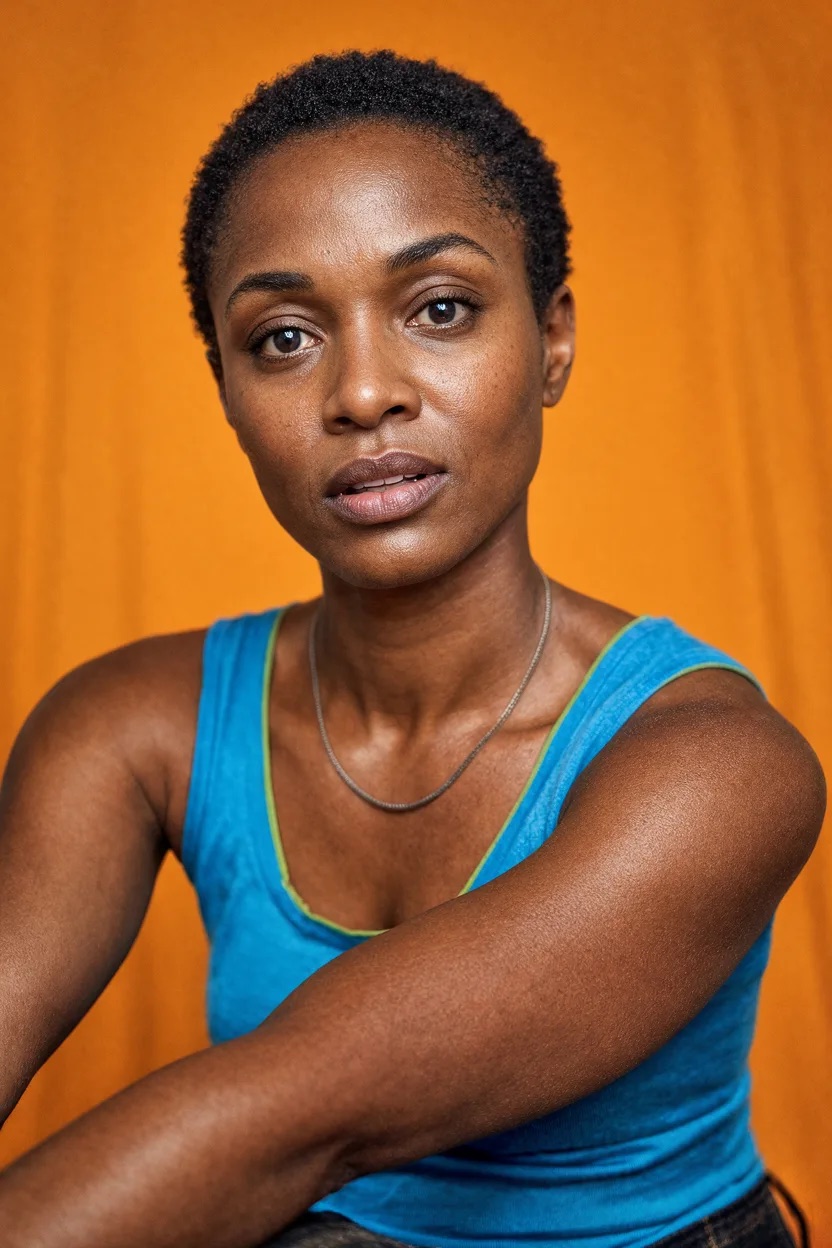 | 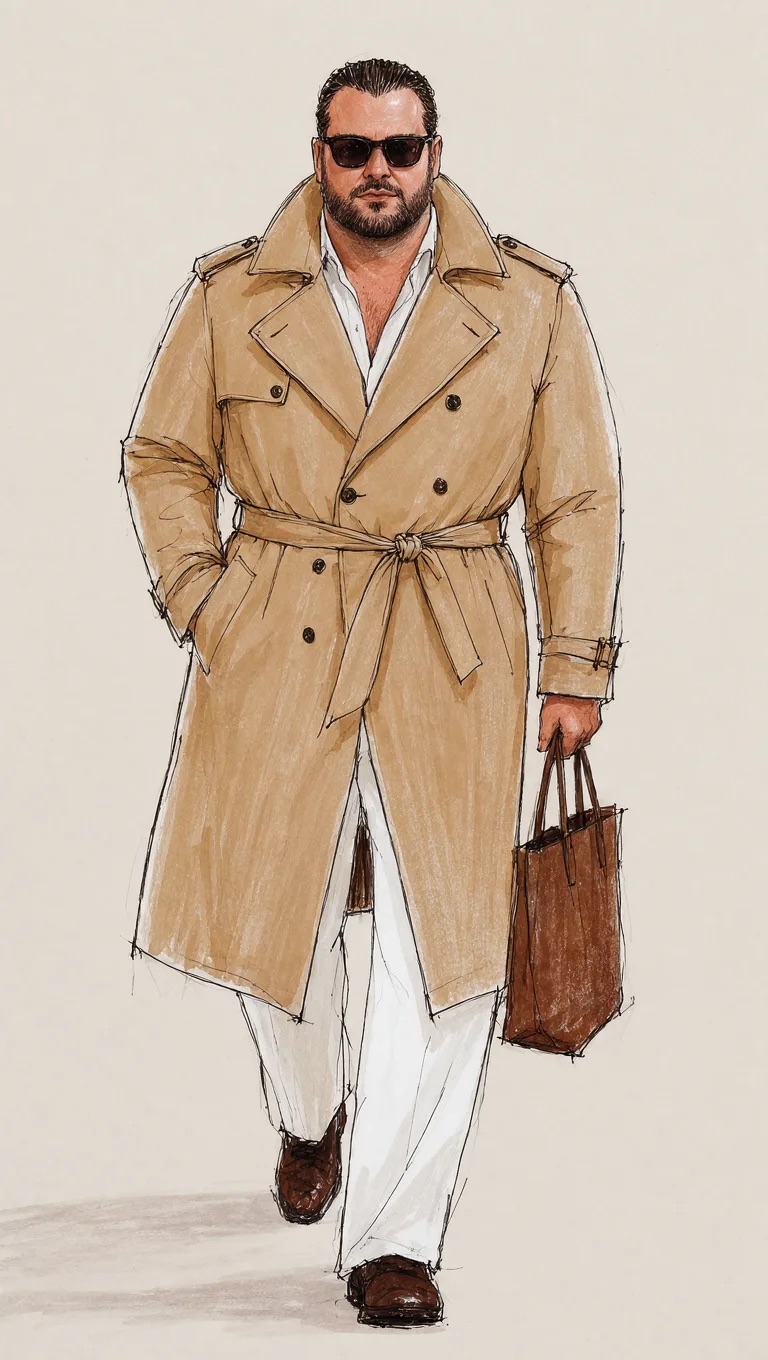 | 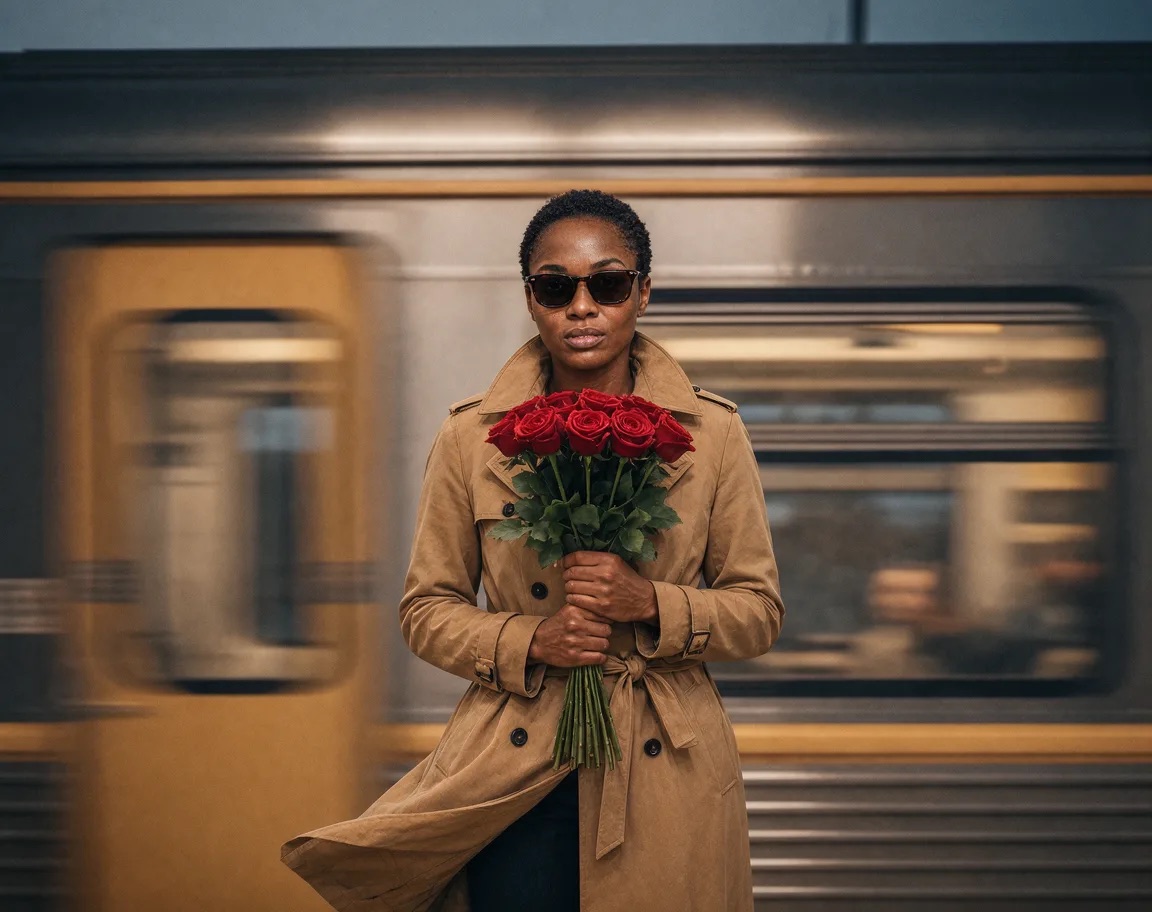 |
|---|---|---|
| Input 1 | Input 2 | Output: identity from input 1, wardrobe from input 2 |
In ComfyUI
The Krea 3 Image node shipped in PR #17067 on October 15, 2026, under partner/image/Krea. It takes up to eight images, connected in order and referred to in the prompt as @Image1, @Image2 and so on. Leave the inputs empty for text-to-image.
| Input | What it does |
|---|---|
resolution | 1K or 2K, default 2K |
thinking_mode | fast (Krea's recommendation), high (more planning on complex edits), ultra (several candidates, returns the best one; needs a reference image, always outputs 2K, no precise edit) |
precise_edit | Keeps everything outside the edited area unchanged; needs at least one image |
aspect_ratio | auto, or a fixed ratio from 1:1 to 21:9 |
seed | Krea rewrites the prompt before generating, so the same seed does not repeat the same image |
Runs are billed per image, with a surcharge for each connected reference: about $0.043 for 1K fast, $0.086 for 2K fast, $0.114 for 2K high and $0.372 for ultra, plus roughly $0.03 per reference image.
Where it falls short
The report names two weak spots itself. Dense small text is still imperfect, and identity drifts across chained edits: Krea says it plans to rely on LoRAs as the main route for characters rather than prompt-only edits.
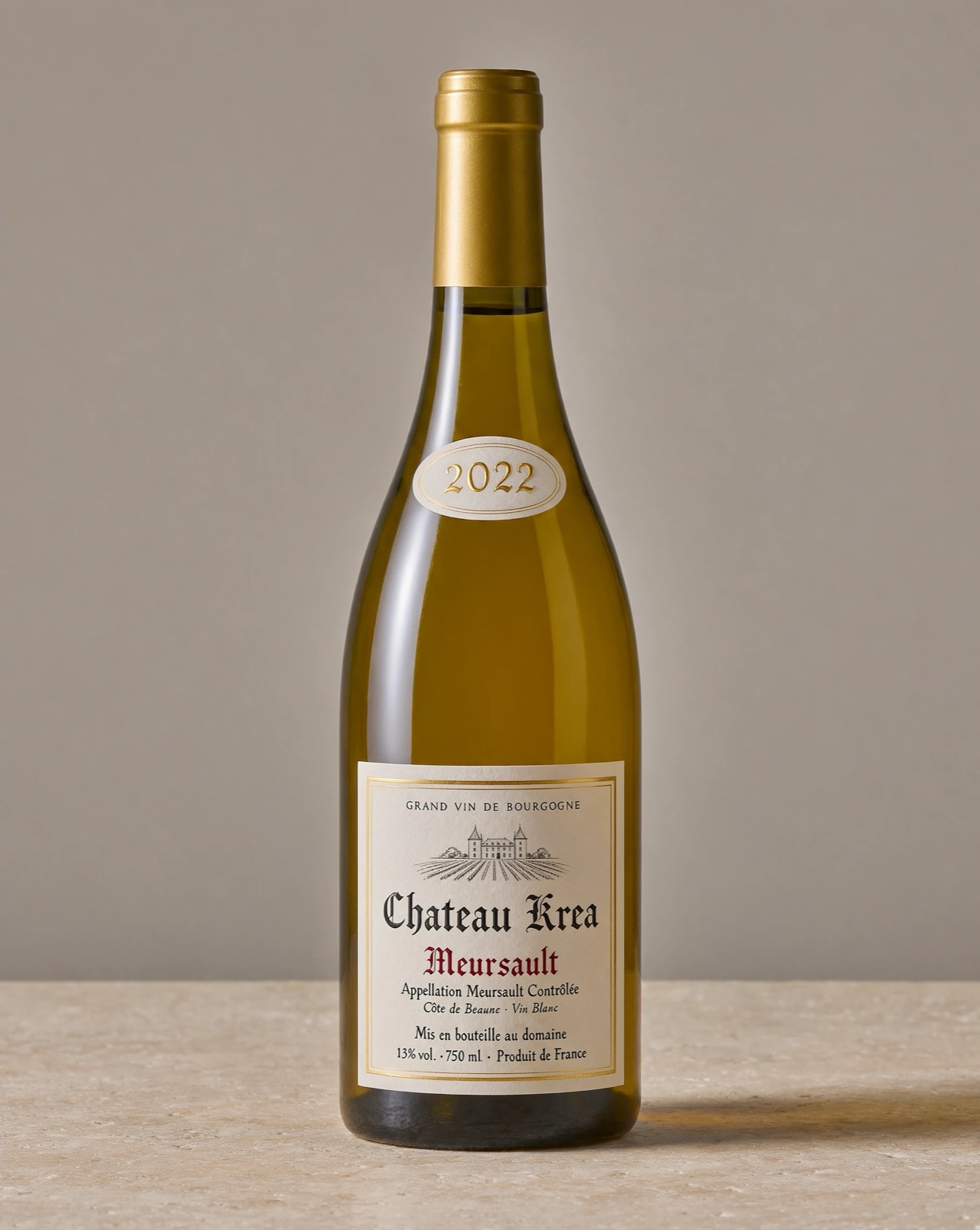
A local edit: only the label changes, while the bottle, glass and lighting stay put.
Comments
Sign in with GitHub to join the discussion.