Krea 2 Turbo 3-Step Distill LoRA: Detail Above the 8-Step Teacher
A rank-64 LoRA cuts Krea 2 Turbo from 8 steps to 3 at cfg 1.0, measuring fine texture 1.11x the teacher's, with a stock-node ComfyUI workflow.
The same author who took Krea 2 Turbo from 8 steps to 4 and then down to 2 has filled in the gap: this adapter runs the model in 3 steps, about 2.6x faster denoising (65.4 s down to 24.9 s at 1024x1024, float16, text encoding and VAE decode excluded) while measuring fine texture 1.11x the 8-step teacher's on the author's 22 test prompts, against 1.04x for the 4-step adapter. Stock Turbo at 3 steps lands at 0.58x, which is the gap this LoRA closes.
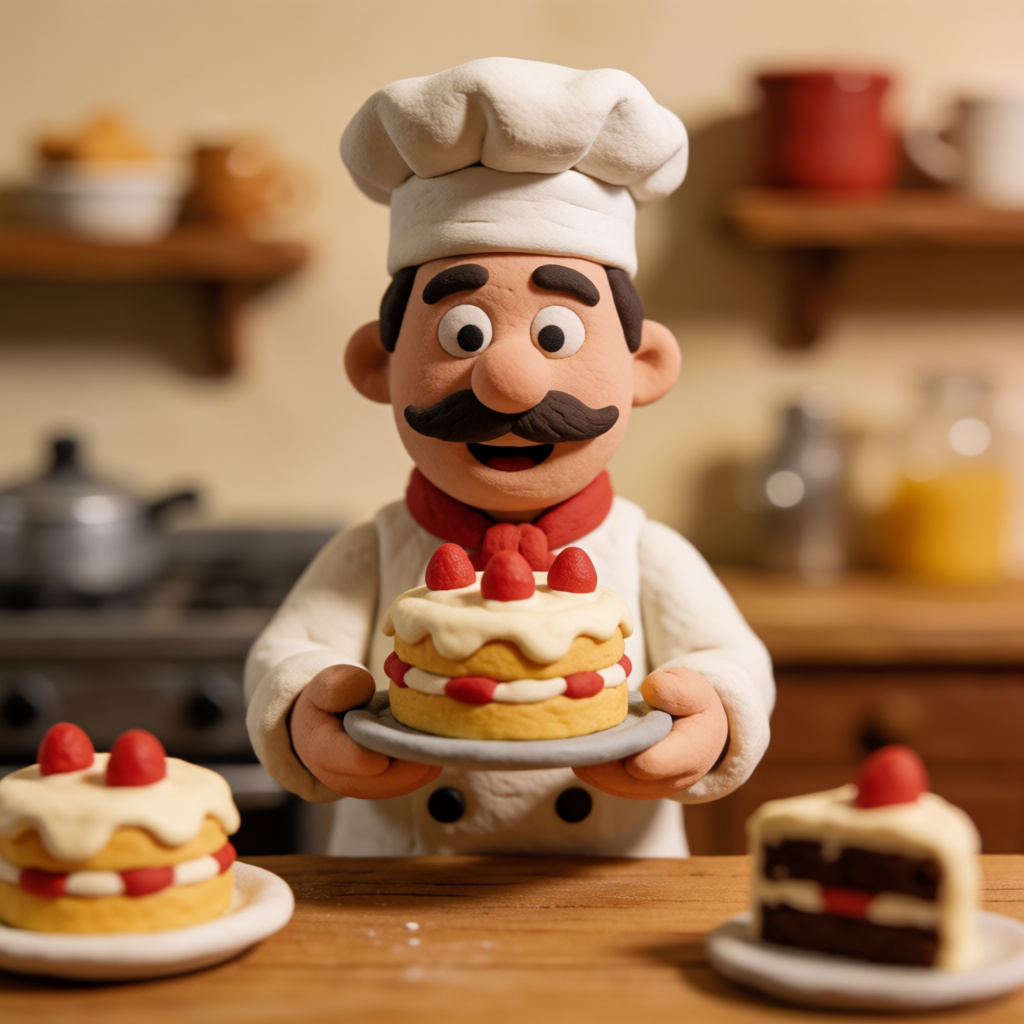 |  | 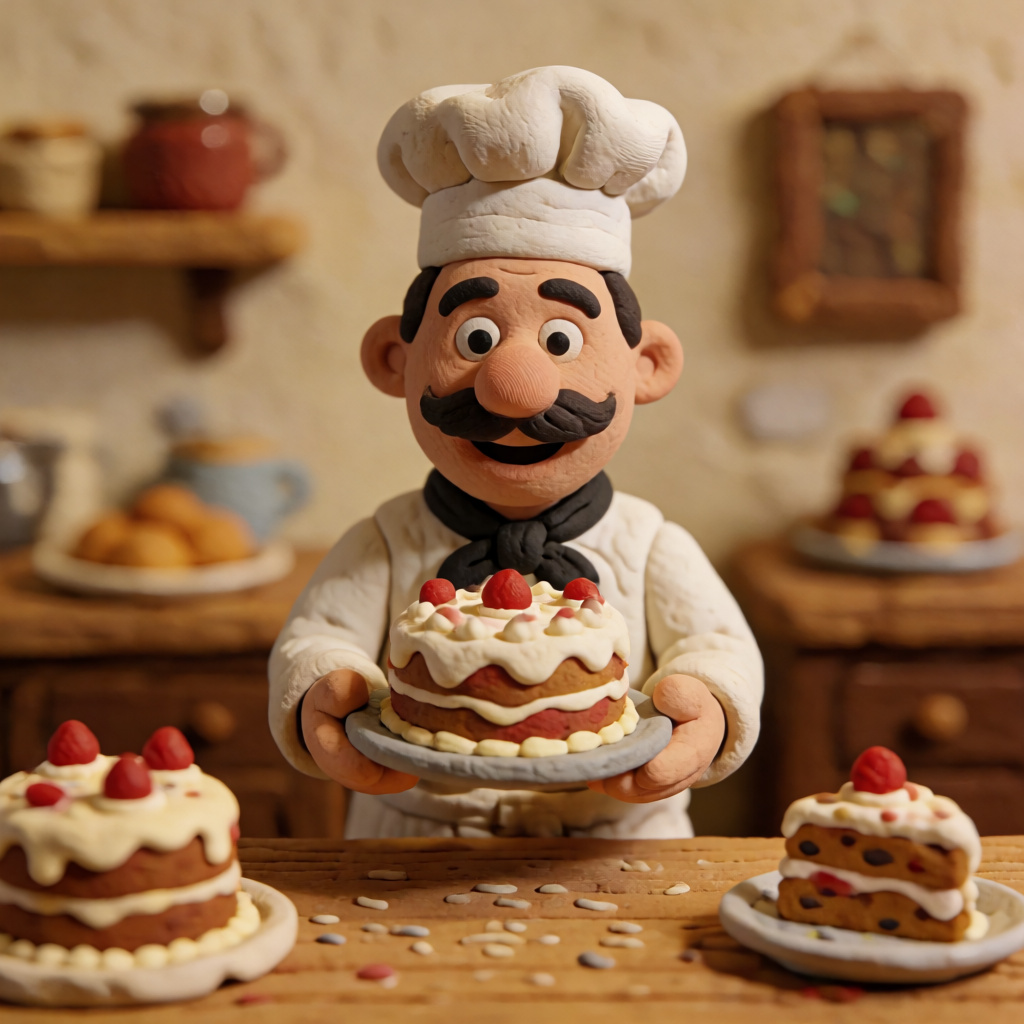 |
|---|---|---|
| Turbo, 8 steps: the quality bar | Turbo at 3 steps, no LoRA: soft and flat | 3 steps with the LoRA: detail restored |
The project is still in training: the checkpoint shared now is chk00030000, taken from settled weights where the last 600 samples anneal the learning rate to zero, and the author expects further checkpoints. The two weight files in the repo hold that same checkpoint under diffusers and ComfyUI key names.
Three steps on Turbo's own schedule
The student makes three calls on Turbo's own 3-step sigmas, [1.0, 0.8633, 0.6123], with the model's canonical mu of 1.15 and no guidance. Training started from the released 4-step adapter's weights, keeping its shape: rank 64 over the same 228 modules. About 30,000 samples were drawn from recorded teacher trajectories at 11 resolutions, from 512x768 up to 1440x1440 and 1824x1024.
Two things differ from the earlier adapters. The base ran in bf16 on a single H100/H200 (the 4-step and 2-step projects trained on one RTX 3090 against a weight-only int8 base), about 91 hours for the 30,000 samples. And the objective is still distribution matching rather than trajectory imitation: the student is scored by eight critics riding on the frozen base's own mid-network features, covering artefacts, real-photograph plausibility, first-call layout, content, prompt agreement, lettering, large faces and the whole three-call rollout. Matching what the teacher would plausibly produce, instead of its exact path, is what keeps three steps from averaging into blur and doubled edges.
The measured bands line up with that: fine texture 1.11x the teacher's, the 16-pixel and 8-pixel bands at 1.10x and 1.12x, and colour at the teacher's level.
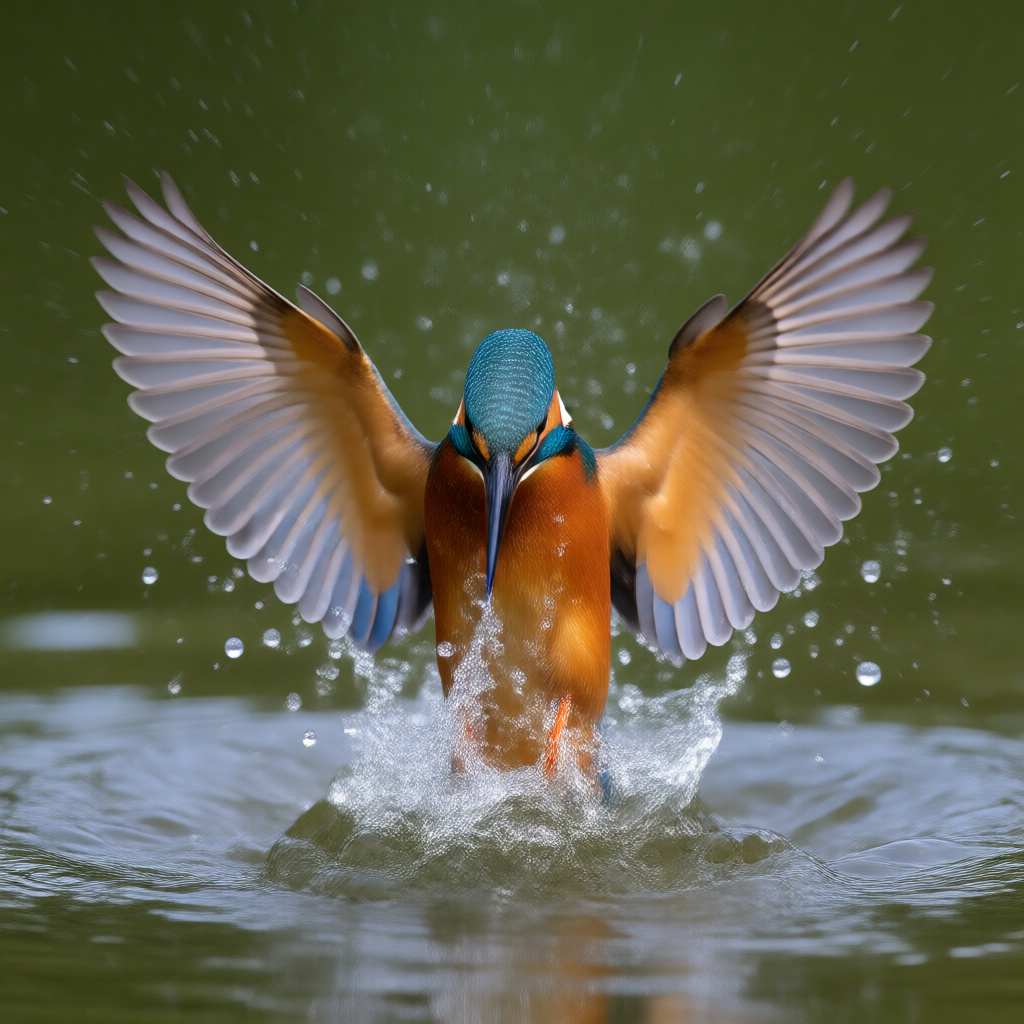
Turbo at 3 steps on the kingfisher prompt, without the adapter. The LoRA's version of the same seed and prompt is the cover image.
What it trades
The author publishes the costs alongside the gains, and they are worth reading before swapping it in:
- Further from the teacher's picture than the 4-step adapter: distance 0.401 against 0.320, detail agreement 0.26 against 0.39. Three steps is a shorter path from the same noise, so framing, pose or a small element can differ from the 8-step render at the same seed. The teacher's image is a quality reference, not a target to reproduce.
- Texture stronger than the teacher's: grain in flat areas measures 1.57x the teacher's, up from 1.29x in the earlier release. Watercolour paper, skin pores and film grain read more pronounced; a strength below 1.0 softens it.
- Faint doubled edges on hair, rain streaks and thin limbs, most at 768x1024 and 1024x768: the ghosting index is 1.14x the teacher's, where the 4-step adapter sits at 1.02x.
- Small faces in crowds stay the weak spot of any few-step adapter.
The useful LoRA strength window is narrow around 1.0, since at three steps the adapter is doing the whole job of turning coarse calls into a finished image. When closeness to the teacher's own render matters more than speed, the 4-step adapter is the better tool.
ComfyUI usage
The repo ships krea2_turbo_3step_rank_64_lora_comfyui.safetensors under ComfyUI key names plus krea2_turbo_3step_lora_t2i.json, a workflow built from stock nodes only.
| file | put it in |
|---|---|
krea2_turbo_3step_rank_64_lora_comfyui.safetensors | ComfyUI/models/loras/ |
krea2_turbo_bf16.safetensors (from Comfy-Org/Krea-2) | ComfyUI/models/diffusion_models/ |
qwen3vl_4b_bf16.safetensors (same repo) | ComfyUI/models/text_encoders/ |
qwen_image_vae.safetensors (same repo) | ComfyUI/models/vae/ |
Settings: steps 3, cfg 1.0, sampler euler / simple, LoRA strength 1.0.
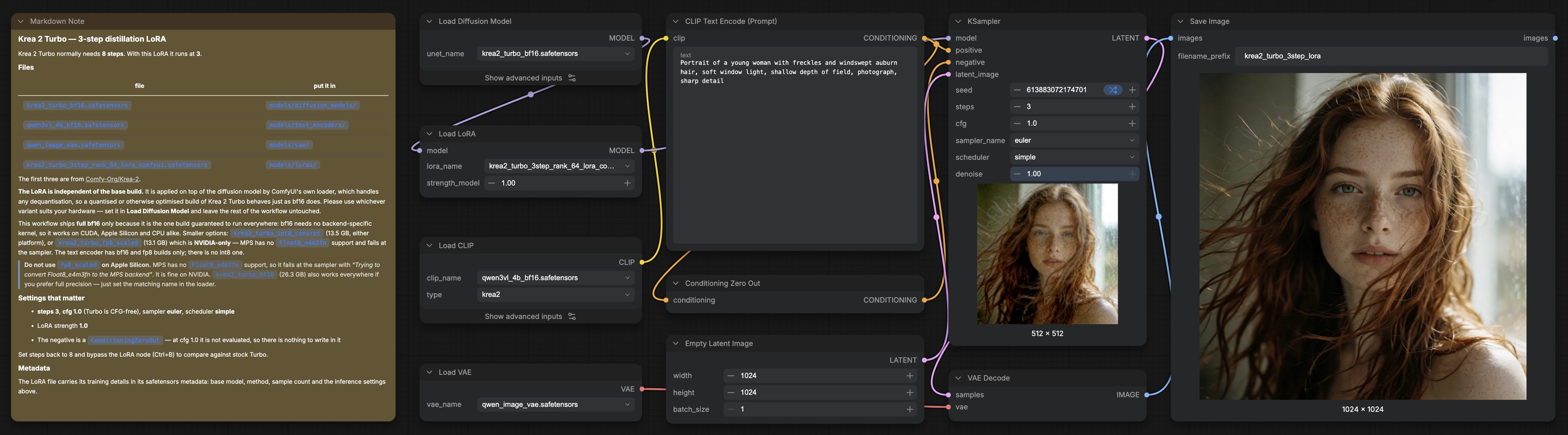
The bundled workflow: Krea 2 Turbo plus the 3-step LoRA, stock nodes only.
guidance_scale=0.0 is the same setting written the diffusers way.
Two caveats from the model card. A quantised base trades detail for memory: on Comfy Cloud's 4-bit (nvfp4) Turbo the adapter's fine texture measured about a fifth under a full-bf16 render. And on Apple Silicon, fp8_scaled builds will not load, because MPS has no Float8_e4m3fn; there is a separate MLX workflow in the repo that runs the same LoRA through the author's LVNodes Krea 2 MLX node.
As a bonus it also loads on Krea 2 Raw, which shares the architecture: on Raw at 13 steps with CFG 3.5 it keeps Raw's composition and adds detail Raw misses at that step count. The author is explicit that this is untrained territory, not a supported mode.
Availability
- Hugging Face: lvladikov/Krea2-Turbo-Distill-3step-LoRA, with 22 comparison sheets and the full training write-up in
DETAILED-README.md - The 4-step LoRA remains the closer match to Turbo's 8-step output; the 2-step LoRA stays the preview option
- All measurements above are the author's own, taken on 22 test prompts; the card lists the known issues in order of how often they show
Comments
Sign in with GitHub to join the discussion.