Qwen-Image 2.1 Fun Acc LoRA: Official 4-Step Distillation
Alibaba PAI distills Qwen-Image 2.1 to 4 steps with a 346 MB PDD LoRA that covers text-to-image and instruction editing, with its own sigma schedule.
The adapter follows the same recipe Alibaba PAI used for the MiniMax H3 PDD Acc LoRAs in August: take a strong base model, distill it with Parallel Decoding Distillation (PDD, arXiv 2607.26004), and release the extracted LoRA plus the inference code needed to reproduce the reference results. Qwen-Image 2.1 itself was released on September 20, 2026 and is already supported in ComfyUI, so this is an acceleration variant of a model that is only days old.
What ships in the repository
| Adapter | models/Qwen-Image-2.1-Fun-Acc-4Step.safetensors, 346 MB, rank 64 and network_alpha 64 in BF16 |
| Base model | Qwen-Image 2.1 (Qwen/Qwen-Image-2.1), weights unchanged |
| Steps | 4 NFE (pdd_num_steps: 4, pdd_block_size: 1) |
| Tasks | Text-to-image and instruction-based image editing |
| Trained targets | img_in, modulation.1, norm_out.linear, the timestep embedders, attn.to_q/to_k/to_v/to_out.0 and img_mlp of all 32 transformer blocks, plus txt_in.in_layer / txt_in.out_layer |
| Inference-only extras | Attention norm_q / norm_k and txt_in.text_norm are stored as full parameters instead of LoRA pairs |
| Default sample size | 2048 x 2048 (pdd_sample_size) |
| Sampling precision | native_time_fp32_state |
The sigma schedule is part of the release rather than an implementation detail: pdd_config.json pins the four-step schedule to 1.0, 0.9169867, 0.7861579, 0.549491, 0.0, and the exported format is qwenimage21_extracted_prefused_v1. Those numbers are why this is not a plain drop-in LoRA. A generic 4-step sampler with default sigmas does not reproduce the distilled behaviour.
How it compares
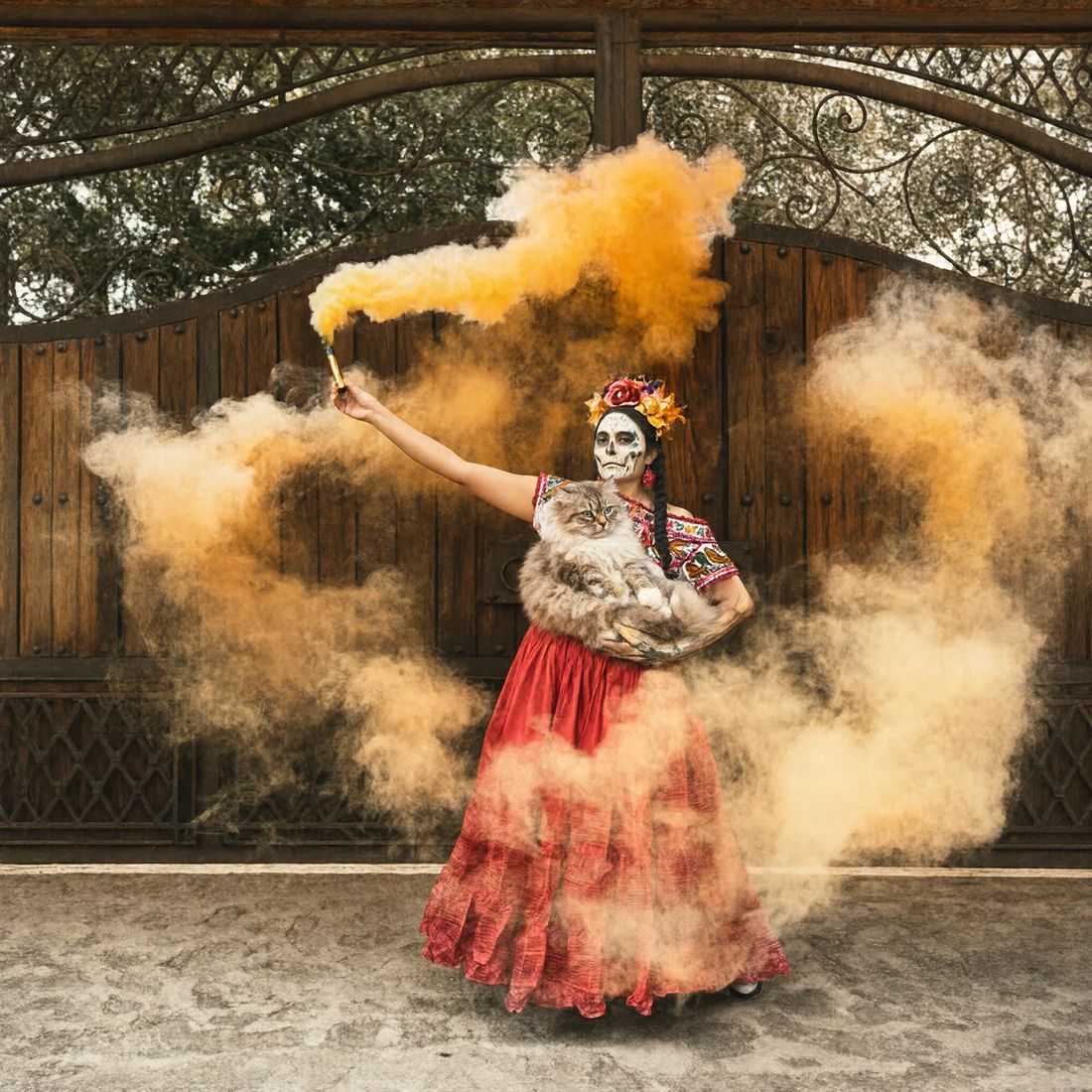
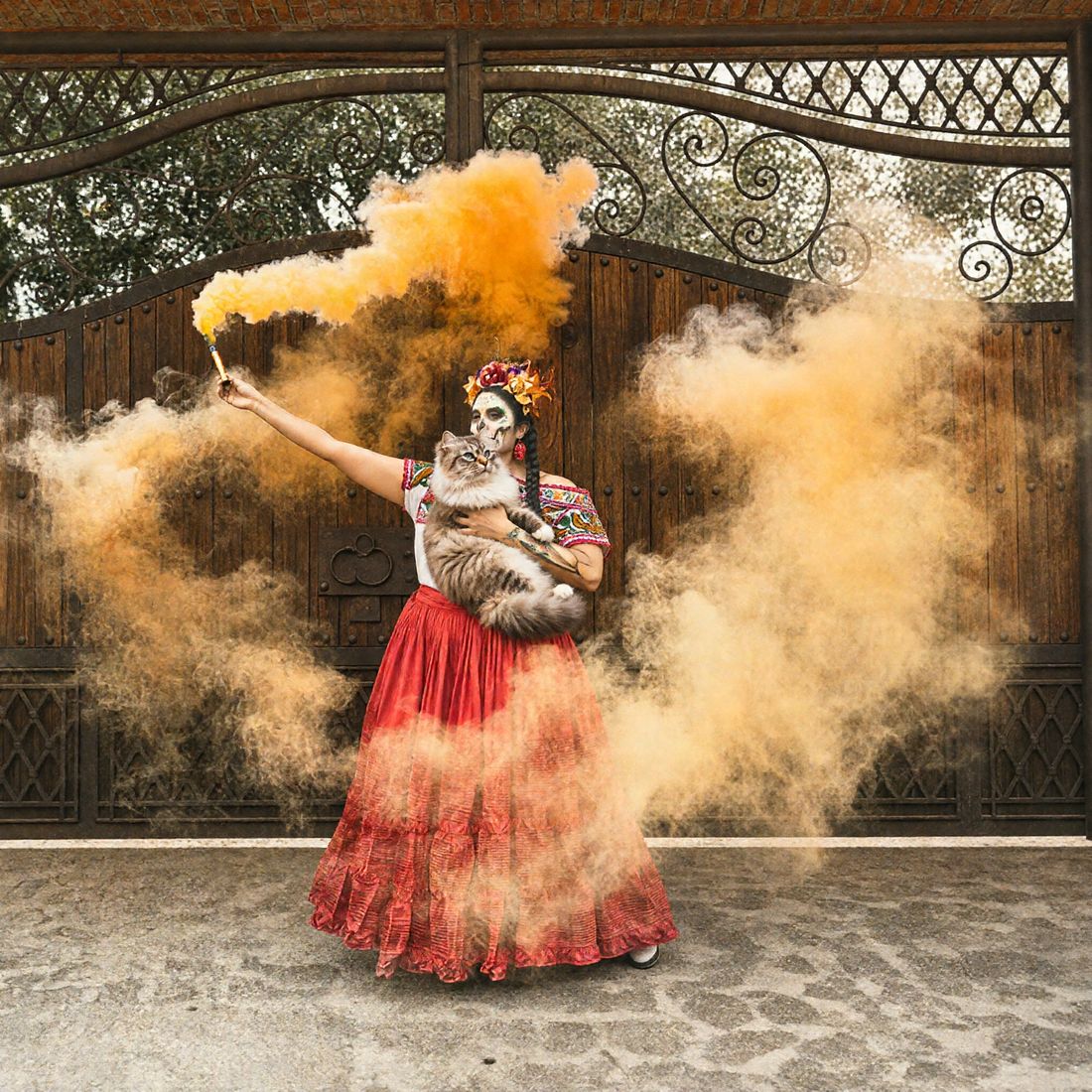
The model card publishes three-way comparisons for every example: the teacher at 40 NFE, the PDD LoRA at 4 NFE, and Viggle v0.1 full at 4 NFE. PDD is compared not only against its own teacher but against the other 4-step route for this model, which is the Viggle turbo LoRA released earlier in September.
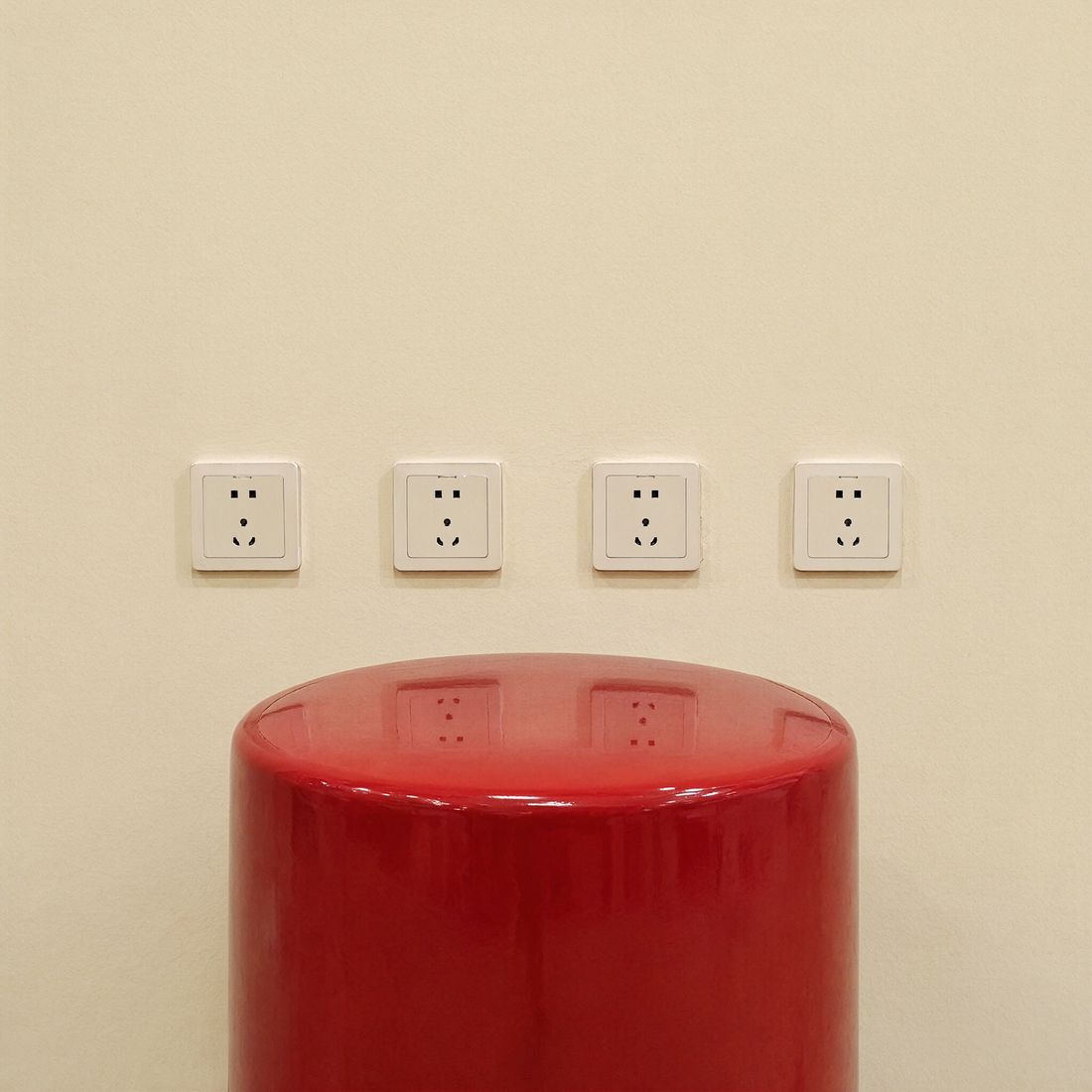 | 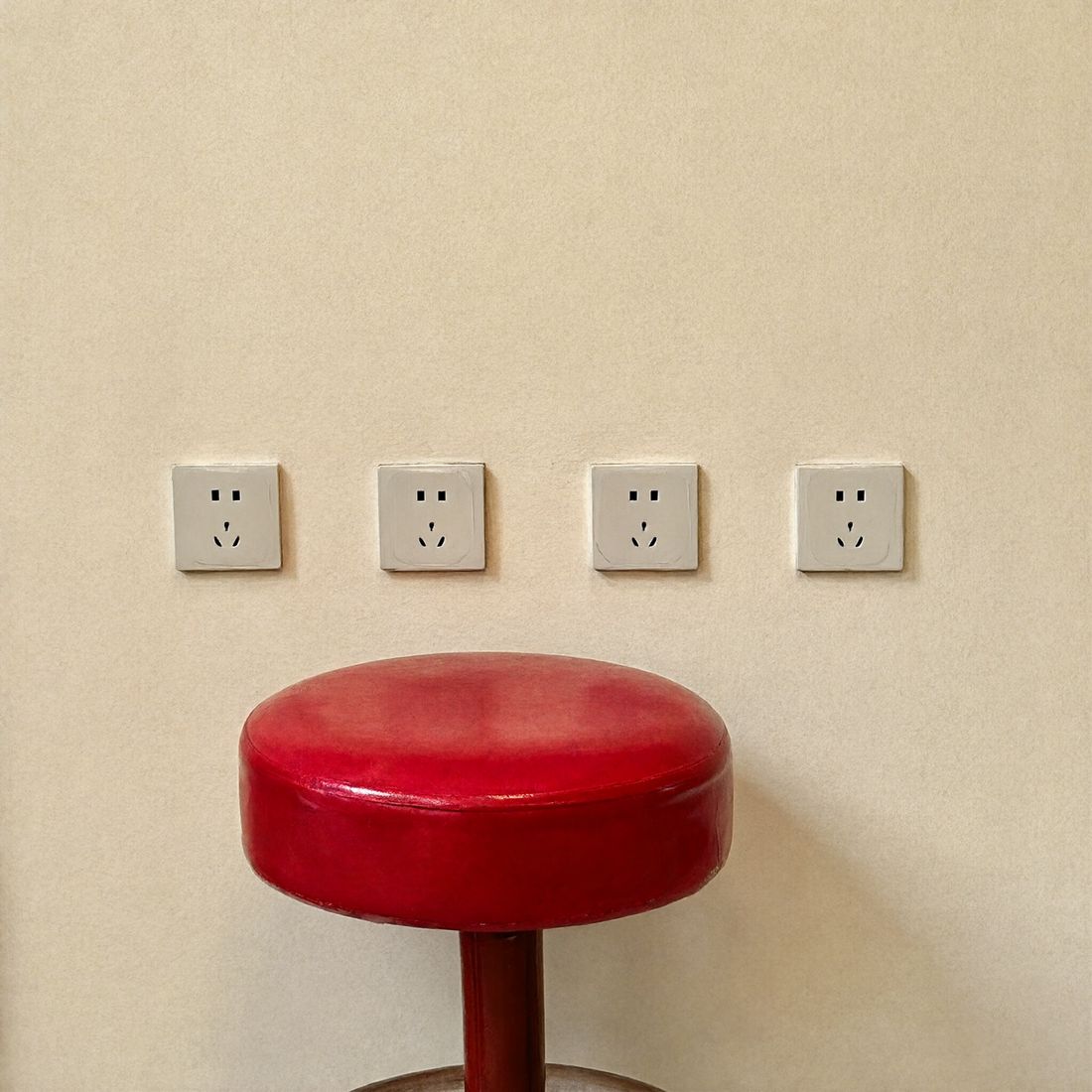 | 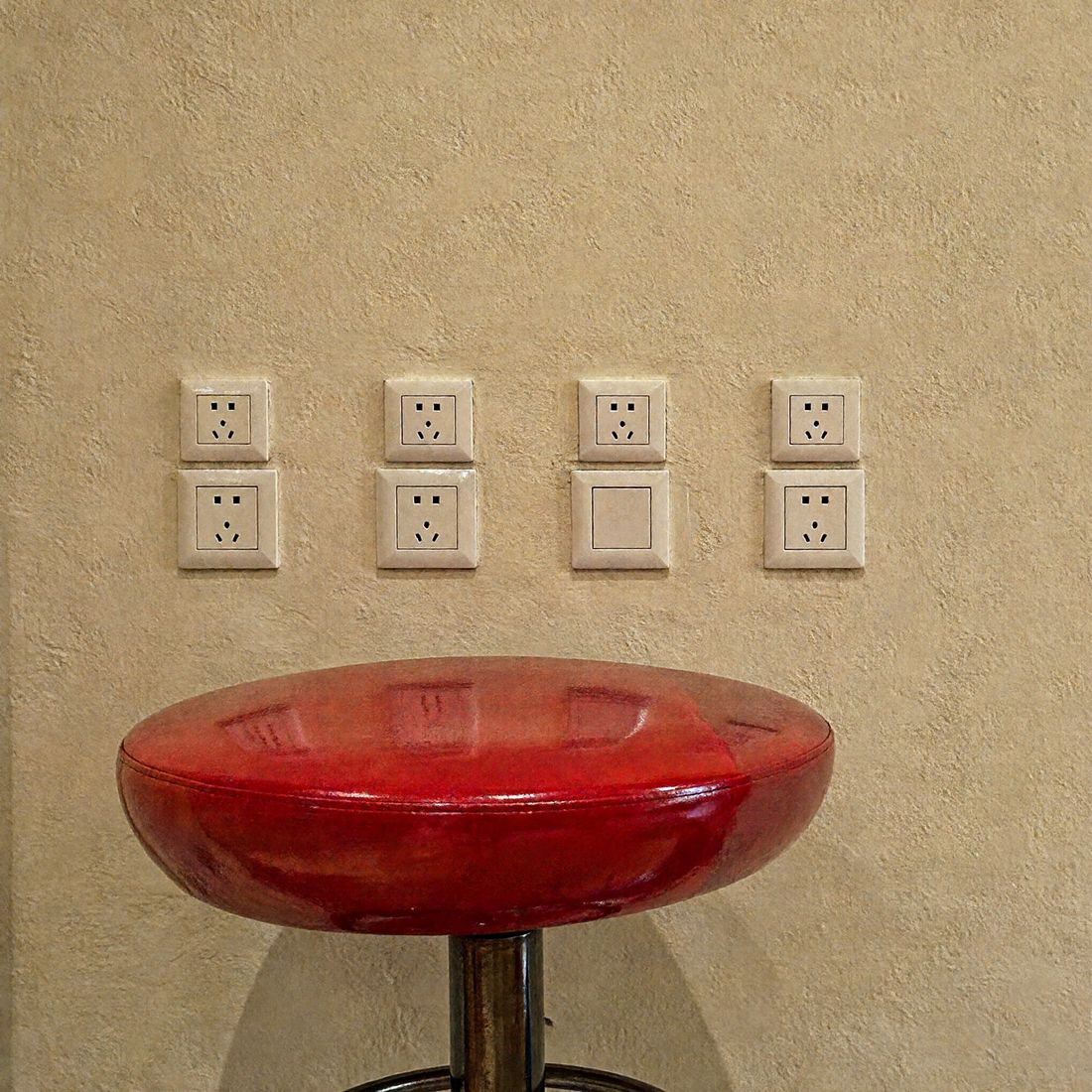 |
|---|---|---|
| Teacher: 40 NFE | PDD LoRA: 4 NFE | Viggle v0.1 full: 4 NFE |
Text-to-image sample, prompt taken from the PDD paper. All three panels use seed 42.
Editing is covered by the same adapter, including multi-reference edits. The example below re-draws the flag in the reference image, and the third column is the same 4-step route served by the Viggle turbo LoRA.
 |  |  |  |
|---|---|---|---|
| Reference image | Teacher: 40 NFE | PDD LoRA: 4 NFE | Viggle v0.1 full: 4 NFE |
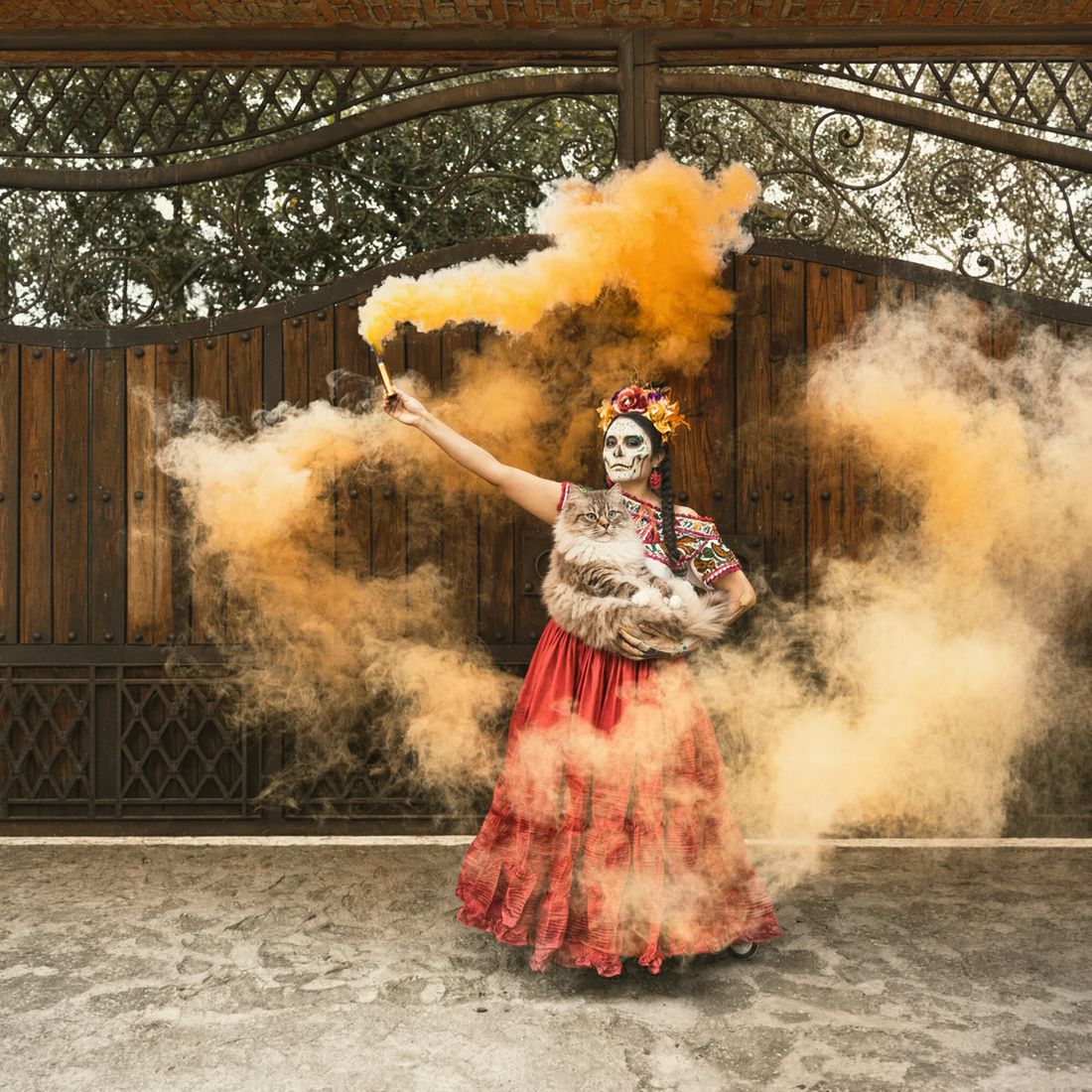 |  |  |
|---|---|---|
| Teacher: 40 NFE | PDD LoRA: 4 NFE | Viggle v0.1 full: 4 NFE |
Two-reference edit sample (person and cat), seed 43.
Documented limitations
The model card lists two known gaps against the teacher rather than leaving them to be discovered:
- Dense, small text can degrade noticeably, with distorted character strokes and reduced legibility.
- Some editing outputs look slightly blurrier and darker than the teacher's, with reduced fine-detail clarity.
Availability
There is no official ComfyUI support, and the release is written for the official pipeline:
- Diffusers only: keep the bundled
qwenimage21_pdd.pyandlora_utils_pdd.pynext to the scripts and runpython predict_t2i.py(generation) orpython predict_t2i_edit.py(editing). - VideoX-Fun: use a checkout that exposes
QwenImage21Pipelinefromvideox_fun.pipelineand runpredict_t2i_videox_fun.pyorpredict_t2i_edit_videox_fun.py.
For ComfyUI there is only an experimental route so far: Kijai published a Qwen-Image 2.1 PDD branch of the ComfyUI repository, and the LoRA needs conversion before a ComfyUI loader can use it. Because the schedule and the non-LoRA norm_q / norm_k / text_norm parameters are part of the distillation, treat ComfyUI conversions of this adapter as community work rather than a supported path.
The same team's earlier acceleration adapters for MiniMax H3 are the closest reference point for how this family of releases works: there, too, the distilled LoRA shipped with its own inference recipe rather than as a stock LoRA for the base model.
Comments
Sign in with GitHub to join the discussion.